Key facts
- NATO plans to replace its aging AWACS fleet with Saab's GlobalEye surveillance planes.
- The decision is expected to be announced at the upcoming Ankara summit.
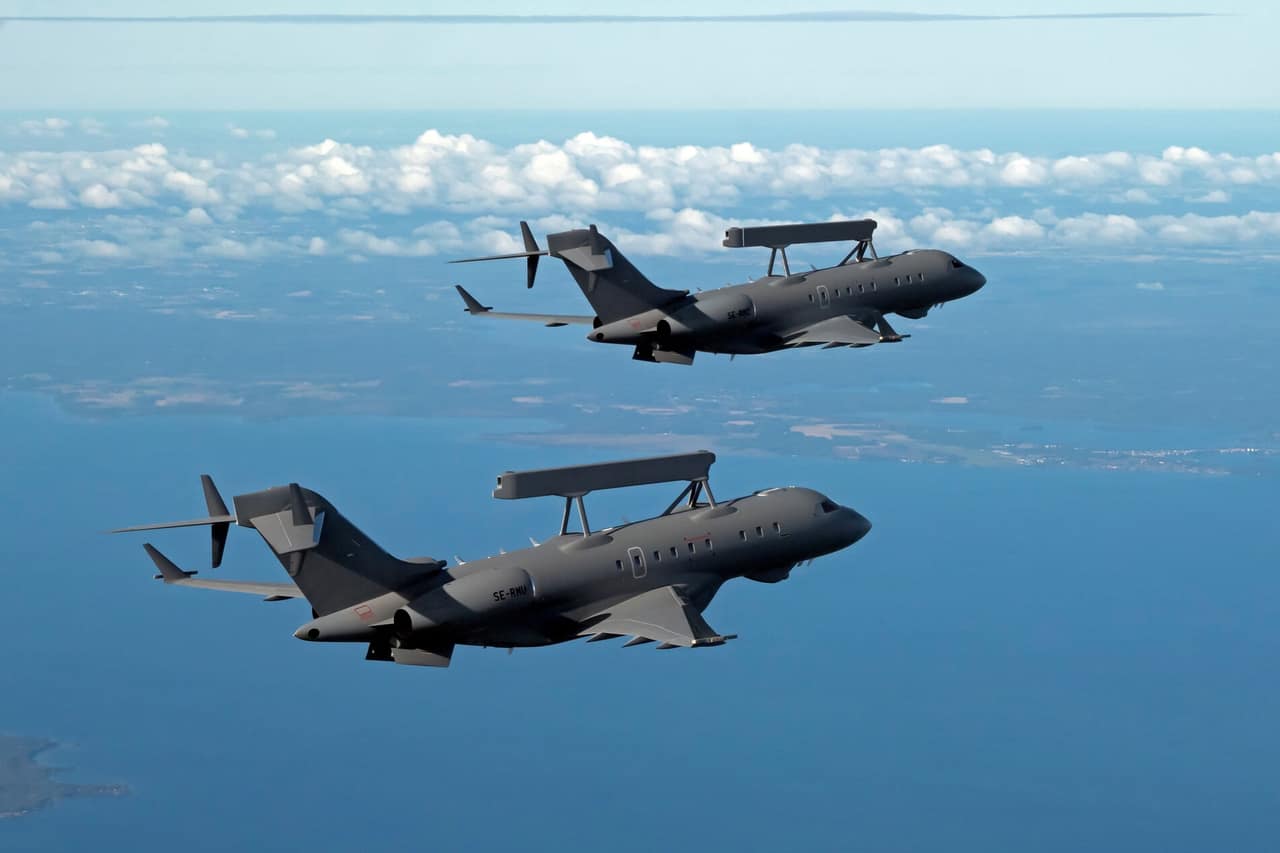
- The GlobalEye platform is built around Saab's Erieye Extended Range radar.
- The Boeing E-7A Wedgetail was previously selected but later dropped from the program.
- The US withdrawal from the E-7 program influenced the shift towards European industrial capabilities.
NATO is reportedly planning to replace its aging fleet of Boeing E-3A Sentry airborne warning and control system (AWACS) aircraft with Sweden's Saab GlobalEye surveillance planes. The alliance is expected to announce these plans at its upcoming summit in Ankara on July 7-8. This decision follows a protracted procurement process and the withdrawal of other contenders, including Boeing's E-7A Wedgetail.
According to sources familiar with the matter, NATO's Support and Procurement Agency (NSPA) had awarded a contract to Saab and Bombardier for their GlobalEye AEW&C platform on April 21, 2026, to replace all 14 current AWACS aircraft. However, Saab has clarified that no contract has been signed and no order has been received for the GlobalEye from NATO.
The E-7A Wedgetail's path to becoming NATO's next-generation command-and-control aircraft began to unravel when the US Air Force announced it would drop the E-7 from its fiscal 2026 spending plan. Subsequently, in November 2025, the Dutch Ministry of Defense confirmed that remaining partner countries decided to abandon the acquisition of six Wedgetails due to the program losing its strategic and financial basis. The US withdrawal also emphasized the importance of investing in European industry.
NATO's current fleet of 14 E-3A Sentry aircraft has been operational since 1982 and is slated for retirement around 2035. Efforts to find a replacement have been ongoing since 2016 under the Alliance Future Surveillance and Control (AFSC) program. The GlobalEye, built around Saab's Erieye Extended Range radar, offers advanced detection capabilities for air, sea, and land. France and Sweden have already expressed intent to operate the GlobalEye, with France signing a declaration of intent for two aircraft and Sweden ordering two units.