Key facts
- Abelardo De La Espriella will be sworn in as Colombia's president on August 11.
- De La Espriella won the election on pledges to crack down on armed groups, reduce state size, and revive the oil and gas sector.
- He previously represented right-wing paramilitaries as a lawyer and has not held elected office before.
- The inauguration will be held in Cali, not the traditional congressional building in Bogota.
- Investors have reacted positively to his market-friendly agenda, though fiscal constraints and high public debt may temper expectations for rapid change.
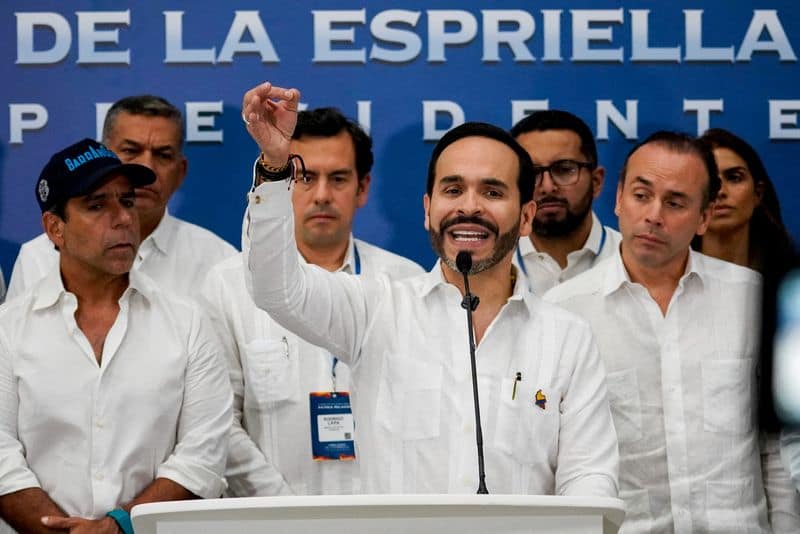
Abelardo De La Espriella, a right-wing lawyer, is poised to assume the presidency of Colombia, signaling a significant political shift. His platform centers on a stringent approach to security, a crackdown on drug trafficking, and economic reforms aimed at shrinking the state and revitalizing the energy sector. De La Espriella, who previously represented right-wing paramilitaries, has never held elected office. His victory follows a broader trend of right-wing political gains across Latin America, driven by voter concerns over weak economies and rising crime.
His inauguration, scheduled for Friday in Cali, will be held outside the traditional congressional building in Bogota and will be accompanied by a security lockdown. International leaders, including the king of Spain and presidents from several Latin American nations, are expected to attend, with the United States sending a delegation led by acting Attorney General Todd Blanche.
While investors have responded favorably to De La Espriella's market-oriented proposals, including simplifying tax participation for foreign and retail investors and potentially eliminating dividend taxes, analysts caution that fiscal constraints and high public debt may limit the pace of change. The new administration is expected to prioritize security and anti-corruption efforts in its initial 100 days, potentially utilizing executive decrees for some measures, though many proposals will require congressional approval.
De La Espriella has criticized his predecessor, Gustavo Petro, for the expansion of armed groups and has pledged to end ongoing peace talks, increase military response, and construct mega-prisons. Petro has not formally recognized De La Espriella's victory and has called for public demonstrations. The incoming finance minister, Miguel Gomez, has indicated that the fiscal deficit is higher than previously reported and that a growth-focused tax reform will be presented.