Key facts
- A draft of the Digital Asset Market Clarity Act is circulating in the U.S. Senate.
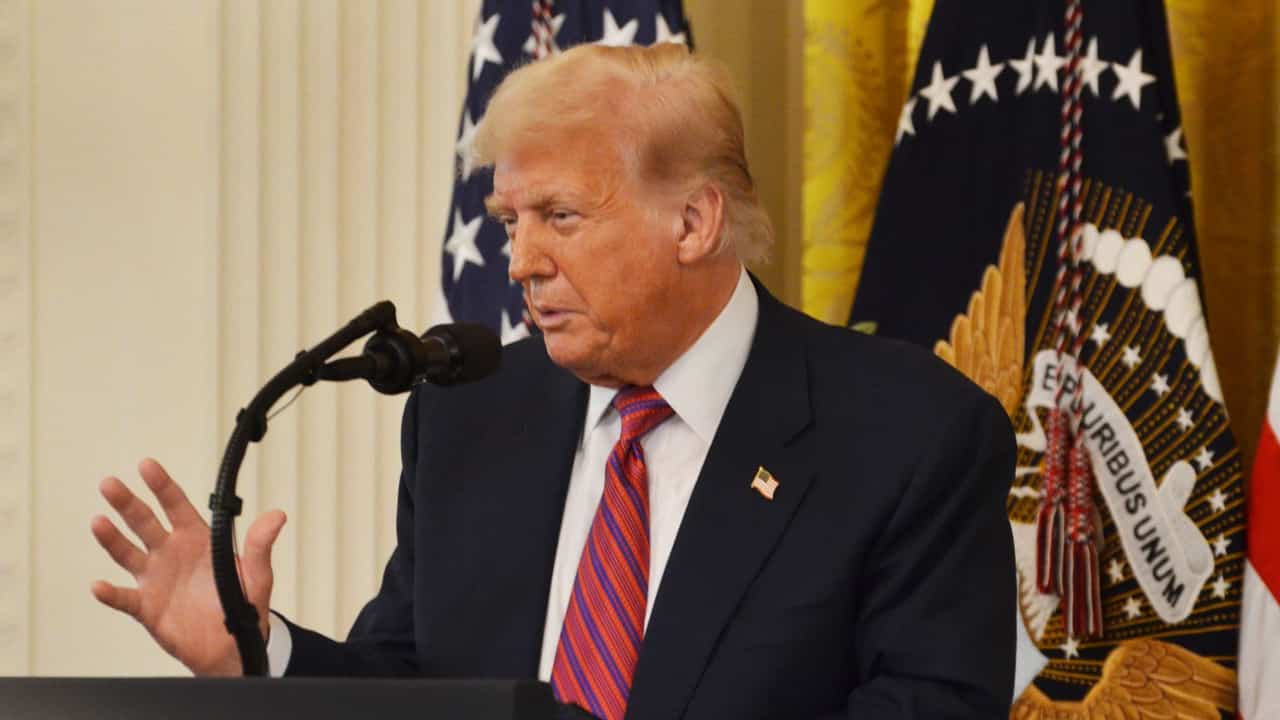
- The bill includes a temporary ban on crypto business conflicts for the president, reportedly agreed to by President Donald Trump.
- This ethics provision is set to conclude in 2029, with the Department of Justice responsible for policing related complaints.
- The draft aims to ensure the safety of digital asset users and investors.
- The Blockchain Regulatory Certainty Act remains intact in the draft.
- Senate Majority Leader John Thune plans to bring the bill to the floor for action before the summer recess.
A working draft of the Digital Asset Market Clarity Act, a significant piece of legislation for the cryptocurrency industry, has emerged as the U.S. Senate prepares for a final push to pass it before the summer recess. The latest version includes a contentious ethics provision that would place constraints on the president and other senior government officials regarding cryptocurrency business ties. This section, reportedly agreed upon after talks with President Donald Trump, is set to be temporary, concluding in 2029, and would task the Department of Justice with overseeing related ethics complaints.
The bill, which is expected to be hundreds of pages long, incorporates language from relevant Senate committees and new provisions aimed at protecting digital asset users and investors. Senate Majority Leader John Thune's office confirmed plans for floor action in the coming days. While the draft includes new material intended to garner Democratic support, many Democrats had not yet seen the text and have previously voiced concerns, particularly regarding the ethics clause and the crypto sector's influence in Washington.
Key provisions that may offer relief to the decentralized finance (DeFi) sector include the retention of the Blockchain Regulatory Certainty Act, which would exempt developers not controlling user assets from 'money transmitter' regulations. The draft also addresses federal preemption and provisional registration procedures. Despite some Democratic opposition, proponents like Senator Cynthia Lummis are advocating for its passage, emphasizing its role in combating illicit finance, providing consumer protections, and keeping markets onshore in the U.S. The Senate faces a tight deadline, with early August considered the last opportunity to advance the bill before lawmakers focus on the upcoming midterm elections.