Key facts
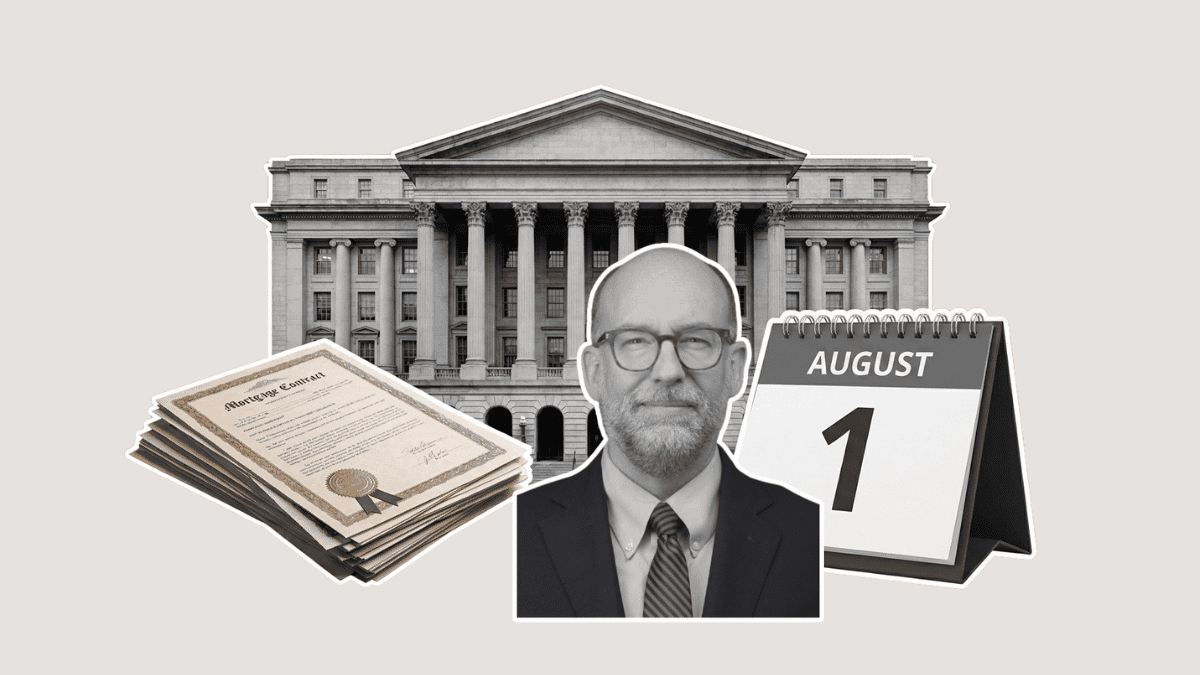
- Acting CFPB Director Russell Vought's tenure expires August 1.
- Vought has overseen significant reductions in agency operations and workforce.
- Brian Johnson, a former CFPB deputy director, has been nominated to lead the agency.
- The CFPB continues to operate, albeit with a narrowed focus and less public enforcement.
- Experts believe Johnson's nomination signals a potential shift towards regulatory reform.
The Consumer Financial Protection Bureau (CFPB) is operating under a significantly reduced capacity and uncertain future as acting director Russell Vought's tenure nears its expiration on August 1. Vought, who took over in February 2025, has been a key figure in scaling back the agency's operations, including substantial workforce reductions and a narrowed enforcement agenda.
Vought has defended his actions, arguing the CFPB has exceeded its mandate and created unnecessary costs. His nomination of Stuart Levenbach to be director was not acted upon by the Senate, allowing Vought to remain in his role until August 1.
Despite the scaled-back operations, legal experts like Marx Sterbcow note the bureau is still functioning, focusing on specific consumer protection areas and deferring some mortgage and real estate matters to state regulators. Sterbcow and Lucy Morris of Hudson Cook LLP observe a corresponding increase in activity from state attorneys general and financial regulators.
The nomination of Brian Johnson, a former CFPB deputy director, on June 10 has sparked speculation about a potential shift. Experts Richard Horn and Lucy Morris suggest Johnson's background indicates an administration leaning towards regulatory reform rather than complete dismantling of the agency. Morris noted Johnson's potential support for fintech innovation and a return to focused enforcement.
However, the urgency for Johnson's confirmation is questioned, as CFPB deputy director Mark Paoletta is currently overseeing daily operations. If Johnson's nomination does not proceed, Paoletta is likely to assume the acting director role. The administration may prioritize confirming a permanent director to implement new rulemaking before the end of President Trump's second term.