HomeEverything
Equities & FundsCrypto & Digital AssetsAI & TechnologyBusiness & CorporateUS Politics & PolicyGeopolitics & Global RiskMacro, Rates & FXCommodities & EnergyEuropean Politics & MarketsAsia-PacificReal Estate & Property
← All Stories

Central Asian Workers Fill UK Farm Labor Gaps Post-Brexit

Created at 1 Jul · 4:36 AM1 source↑ Market-relevant
IN SHORT

Ten years after Brexit, British farms increasingly rely on seasonal workers from Kyrgyzstan and Tajikistan to fill labor shortages. Without these workers, many farms would face failure, highlighting a significant shift in the UK's agricultural labor landscape.

✉Newsletter

PiQ Daily

Pick your topics. Get only what matters, on your cadence.

Key Numbers

10 yearstime since Brexit referendum
3,000 milesdistance from home for one worker
32,000six-month seasonal worker visas issued in 2023
24 percentKyrgyzstan's share of worker visas
17 percentTajikistan's share of worker visas
15 percentKazakhstan's share of worker visas
13 percentUzbekistan's share of worker visas

Who's Involved

Shukrat Djuraev
seasonal worker from Uzbekistan
Tim Chambers
chief executive of WB Chambers, a farm operator
Nigel Farage
prominent Brexit voice and anti-immigration politician
Keir Starmer
Prime Minister who announced resignation
Central Asian Workers Fill UK Farm Labor Gaps Post-Brexit

↳ Why This Matters

The reliance on Central Asian labor highlights the complex and often unforeseen consequences of Brexit on key sectors of the British economy, particularly agriculture, and underscores the ongoing political sensitivity surrounding immigration.

Key facts

  • British farms are now heavily dependent on seasonal workers from Central Asian nations.
  • This labor source became crucial after Brexit made it harder for EU citizens to work in the UK.
  • Without these workers, agricultural operations face significant risks of failure.
  • In 2023, over 32,000 seasonal worker visas were issued, with Kyrgyzstan, Tajikistan, Kazakhstan, and Uzbekistan being the primary sources.
  • Workers are granted six-month visas and do not gain the right to stay in Britain.

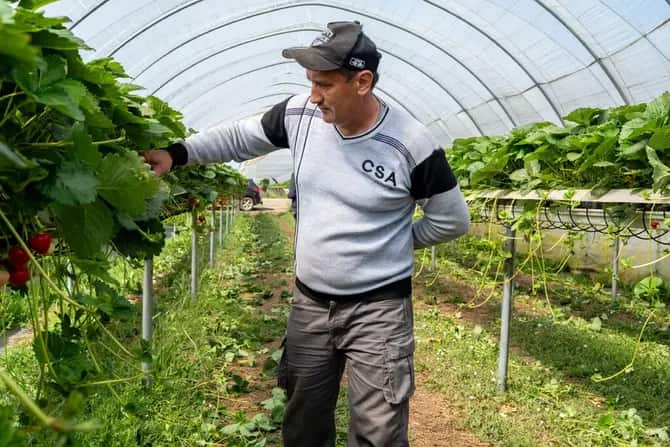
Ten years after the Brexit referendum, British agriculture is increasingly reliant on seasonal workers from Central Asian countries such as Kyrgyzstan and Tajikistan to fill labor shortages. This shift occurred as EU nationals lost the right to work in the UK following Brexit, and subsequent geopolitical events, like the war in Ukraine, further impacted labor availability from Eastern Europe.

Farmers report that without these workers, many farms would be unable to operate and could face failure. In 2023, over 32,000 six-month seasonal worker visas were issued, with Kyrgyzstan, Tajikistan, Kazakhstan, and Uzbekistan being the top four recruitment countries. These workers, like Shukrat Djuraev from Uzbekistan, find the work steady and are able to earn money to improve their financial situations back home.

Immigration remains a significant political issue in Britain. Promoters of Brexit had promised greater control over borders, and anti-immigration parties, such as Reform U.K. led by Nigel Farage, have gained political traction. Despite this, net migration figures have fluctuated, influenced by various factors including refugees and students, and a perceived mismatch exists between public perception and the labor needs of sectors like agriculture.

Frequently asked questions

Following Brexit, EU citizens lost the automatic right to work in the UK, creating labor shortages in sectors like agriculture. Geopolitical events also reduced the availability of workers from Eastern Europe, leading farmers to recruit from Central Asian countries.

Farm bosses state that without these seasonal workers, many farms would struggle to operate, meet production targets, and could face failure.

In 2023, Kyrgyzstan, Tajikistan, Kazakhstan, and Uzbekistan were the top four countries for seasonal worker recruitment in the UK.

Workers are granted six-month visas and do not gain the right to remain in Britain permanently.

What Happens Next

01The UK agricultural sector is expected to continue its reliance on workers from Kyrgyzstan and Tajikistan.
02Farmers will likely continue to invest in training and supporting seasonal workers to ensure productivity.

Get the newsletter.

Pick the topics you actually care about. We'll email when there's news worth your time, on the cadence you choose. Cancel any time from your account.

Cadence

How It Developed

British farms are increasingly relying on seasonal workers from Central Asian countries like Kyrgyzstan and Tajikistan.
This reliance has grown a decade after Brexit, as EU workers lost the right to work in the UK.
Agricultural chiefs state that many farms would fail without these seasonal laborers.
Workers from Central Asia are granted six-month visas to fill these roles.
In 2023, over 32,000 seasonal worker visas were issued, with Kyrgyzstan, Tajikistan, Kazakhstan, and Uzbekistan being top recruitment countries.
The shift to Central Asian labor occurred after the war in Ukraine made Ukrainian workers less available.
Workers like Shukrat Djuraev from Uzbekistan find the work steady and calm, helping them earn money to buy property back home.

Sources

T1
Those British Strawberries Are Being Picked by Central Asian WorkersThe New York Times
T2
Those British Strawberries Are Being Picked by Central Asian Workers ...archive.md
T2
Those British Strawberries Are Being Picked by Central Asian Workerscaspianpost.com
T2
Central Asian workers pick British strawberriescurrentsaucenews.com

Related Stories

Over 1 million migrants apply for Spain's mass regularisation, PM Pedro Sánchez says
30 Jun · 10:10 AM
UK Asylum Rejections Under New Laws May Not Reduce UK Population
30 Jun · 8:50 PM
Grooming gang ringleader cannot be deported due to 1971 Immigration Act
30 Jun · 12:45 PM
UK Home Secretary Proposes New Asylum Reforms
30 Jun · 5:55 AM
UK poll: Nearly half fear difficulty accessing emergency contraception on Sundays
30 Jun · 11:10 PM