Key facts
- Businesses are urging Congress to remove a measure from the National Defense Authorization Act that would restrict defense contractors from issuing dividends or buying back stock.
- Over 40 business and industry groups signed a letter to the Senate opposing Section 815 of the NDAA.
- The provision would effectively ban companies contracting with the Department of Defense from share repurchases or dividend payments.
- Business groups argue the measure would harm millions of American retirees and investors by restricting lawful returns of capital.
- They also contend it would establish a troubling precedent for federal interference in corporate governance and capital allocation.
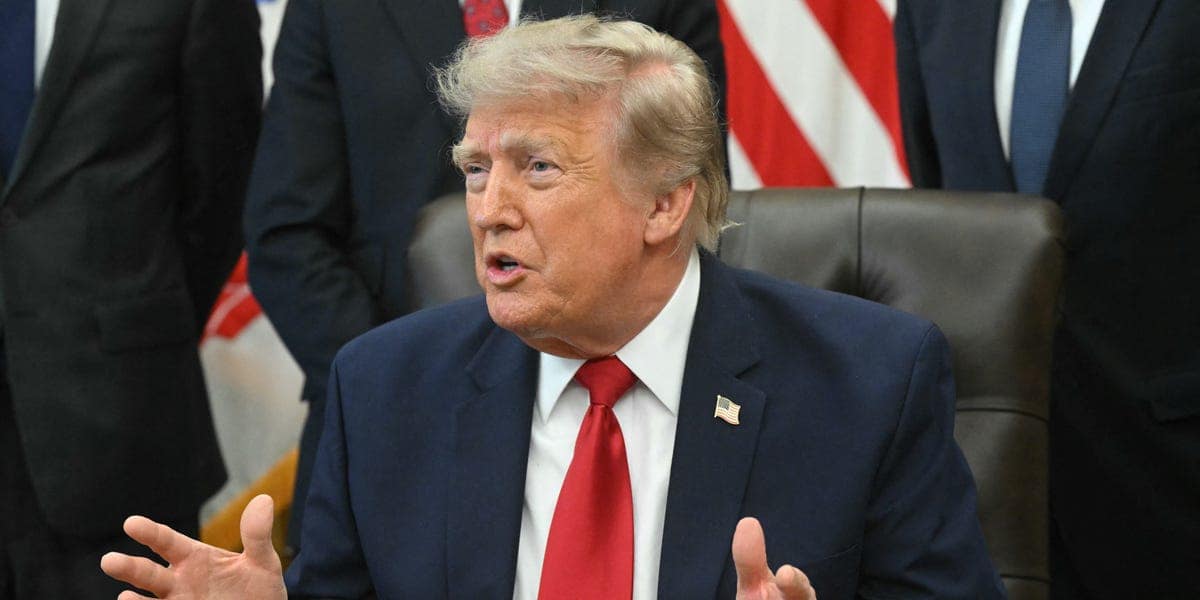
- President Trump initially proposed barring defense contractors from stock buybacks in January, which led to a selloff in defense stocks.
Businesses are urging the Senate to remove a provision from the National Defense Authorization Act that would prohibit defense contractors from issuing dividends or engaging in stock buybacks. More than 40 business and industry groups, including the U.S. Chamber of Commerce, American Bankers Association, and American Council for Capital Formation, have signed a letter to the Senate opposing Section 815 of the bill.
These organizations argue that the proposed restrictions would harm millions of American retirees and other investors by limiting lawful returns of capital to shareholders. They also expressed concern that the measure would set a "troubling precedent" for federal interference in corporate governance and capital allocation decisions.
President Trump first floated the idea of barring defense contractors from stock buybacks in January, a statement that led to a selloff in defense stocks such as General Dynamics, Northrop Grumman, and Lockheed Martin. The business groups contend that stock buybacks are a common and legitimate way to provide financial returns to investors and that claims they divert capital from research and development are false.
They also highlighted that buybacks have directly benefited retail investors, citing a U.S. Chamber of Commerce study indicating savings of up to $4.2 billion over 17 years. The letter suggests that restricting capital returns could negatively impact investment returns and the success of programs like "Trump Accounts," which rely on consistent stock market returns.