Key facts
- President Donald Trump publicly endorsed Dell computers and praised Walmart for lowering prices.
- Trump celebrated a $6.25 billion investment in "Trump Accounts" with Dell CEO Michael Dell.
- Ethics experts cited concerns about misuse of public office, private gain, and interference with free enterprise.
- Trump has personal investments in both Dell and Walmart.
- White House defended the endorsements, calling the Dells "patriots."
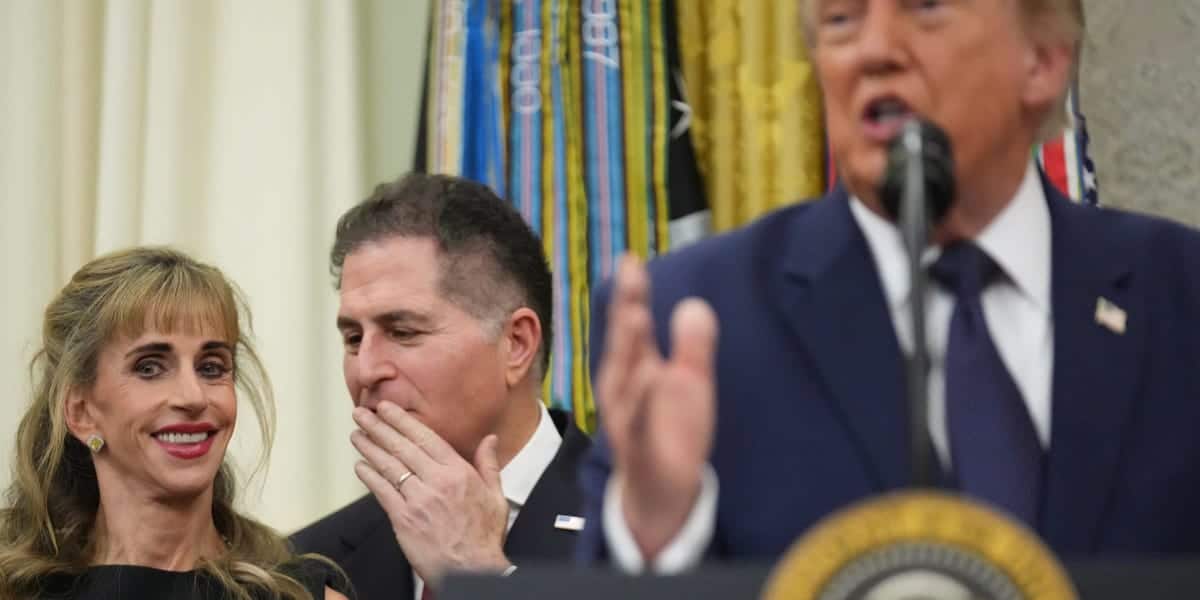
President Donald Trump's recent public endorsements of companies like Dell and Walmart, alongside his personal investments in these firms, have ignited debate among ethics experts and watchdog groups. Trump celebrated the launch of "Trump Accounts," a program for children's investment accounts, alongside Dell CEO Michael Dell and his wife Susan Dell, even urging attendees to purchase Dell computers. This action, along with taking credit for Walmart's price reductions, has drawn criticism for potentially misusing presidential power for private gain and interfering with free enterprise principles.
Ethics advocates, including former White House ethics lawyers Don Fox and Richard Painter, expressed strong concerns. Painter argued that such actions undermine free enterprise by having the government "pick winners and losers." Jordan Libowitz of CREW suggested the president's actions give the impression the "presidency is for sale," particularly given Trump's reported securities trades, which include significant Dell stock purchases and sales. While the Trump Organization states outside brokerages control these trades, ethics experts note that unlike previous presidents, Trump has not placed his holdings in a blind trust.
White House spokesperson Kush Desai defended Trump's actions, characterizing the Dells as "patriots" for their contributions. However, watchdog groups like CREW and the Campaign Legal Center find limited recourse due to ethics regulations not explicitly covering the president or vice president. Legal scholars like Seth Barrett Tillman, however, argue that Trump's endorsements are protected under the First Amendment's freedom of speech, suggesting that if other manufacturers are not upset, there is no cause for concern.