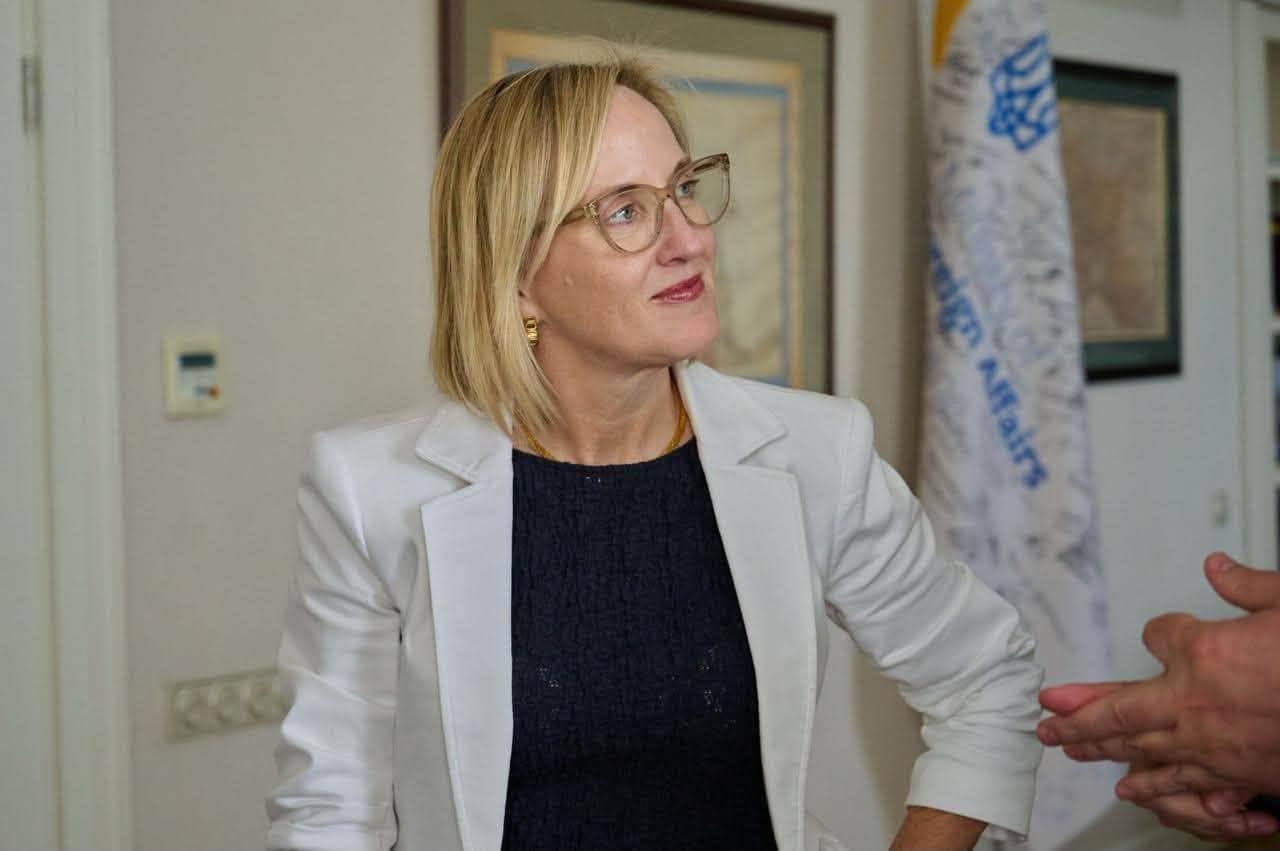
Julie Davis, the acting U.S. ambassador to Ukraine, has completed her diplomatic mission and retired. Her departure comes amid reports of tensions with President Donald Trump over his administration's approach to Ukraine, though the State Department disputes this characterization.

The departure of a key U.S. diplomat in Ukraine at a critical juncture raises questions about the stability of U.S. foreign policy and its commitment to supporting Kyiv amidst ongoing conflict and reported internal policy disagreements.
The acting U.S. ambassador to Ukraine, Chargé d'affaires Julie Davis, concluded her diplomatic mission and retired on June 27, according to Ukrainian Foreign Minister Andrii Sybiha. Davis' departure leaves a significant diplomatic role vacant during a critical period for Ukraine, with peace talks stalled and reports of diminishing U.S. support for Kyiv amid Russia's ongoing invasion.
Sybiha expressed gratitude for Davis' service and the United States' unwavering support for Ukraine, highlighting her personal contribution to the strategic partnership. Davis had previously announced her planned retirement in April, concluding a nearly year-long tenure as chargé d'affaires.
The Financial Times reported that Davis' decision to step down was influenced by tensions with U.S. President Donald Trump regarding his administration's approach to Ukraine. Sources cited a perceived reduction in support for Kyiv as it defends itself against Russia. However, the State Department, through spokesperson Tommy Pigott, refuted these claims, stating it was false to suggest Davis was resigning over policy differences with Trump. The department asserted that Davis had been a strong advocate for the Trump administration's peace initiatives and was retiring after a distinguished 30-year career as a foreign service officer.
Davis' exit follows that of her predecessor, Bridget Brink, who resigned in April 2025. Brink had also criticized the administration's strategy, suggesting it pressured Ukraine to make concessions rather than confronting Russia directly, and expressed concern about becoming complicit in policies she deemed dangerous. President Trump's second term has been characterized by a more confrontational stance toward Ukraine, a shift from previous policies, with reported frustration over Russian President Vladimir Putin.