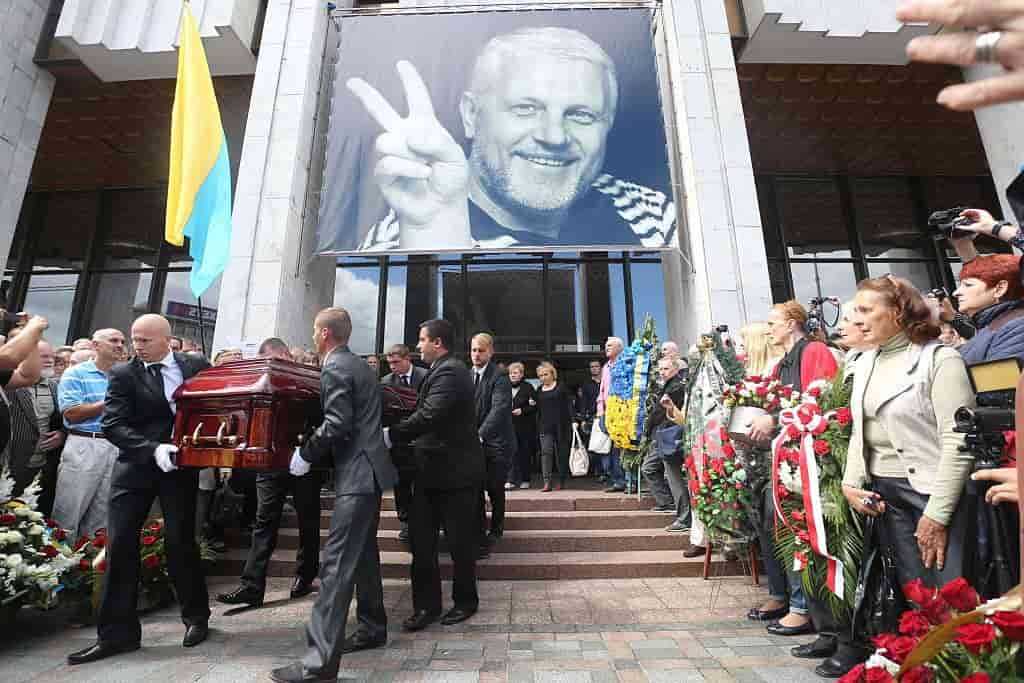
Key facts
- Journalist Pavel Sheremet was murdered in a car bombing in Kyiv a decade ago.
- Three suspects arrested in 2019 have been released, and the trial is currently suspended.
- The trial restart in 2023 and subsequent suspension in 2024 have drawn criticism.
- Evidence against the suspects relies heavily on CCTV footage and gait analysis, the reliability of which has been questioned.
- Alternative theories suggest involvement of Belarusian security services or the Security Service of Ukraine (SBU).
A decade after the 2016 car bombing that killed Belarusian-born journalist Pavel Sheremet in Kyiv, justice remains elusive. The prosecution's case has faced significant criticism, leading to the release of the three accused suspects, and legal proceedings are currently frozen until the end of Russia's full-scale war.
Lawyers for the suspects anticipate lengthy delays, with one suggesting the trial could take years to restart and potentially never conclude if all previously mentioned witnesses are questioned. The case highlights a broader issue of impunity for crimes against journalists in Ukraine, with many killings since 1991 remaining unresolved.
The Prosecutor General's Office stated that materials from the criminal investigation and evidence are available, and the investigation continues to identify other individuals involved in organizing the murder. Sheremet, who was executive director of Ukrainska Pravda and a journalist at Radio Vesti, was known for his critical reporting, including on Belarusian dictator Alexander Lukashenko.
Three suspects—Andriy Antonenko, Yulia Kuzmenko, and Yana Duhar—were arrested in 2019. The trial, which began in 2020, was restarted from scratch in 2023 due to a juror's departure and another's conscription amid the war. However, the re-trial was suspended in 2024 when Duhar was drafted. These decisions have been criticized by legal experts who argue that substitute jurors could have ensured continuity.
The evidence against the suspects primarily consists of CCTV footage showing figures resembling Kuzmenko and Antonenko planting a bomb, and Duhar photographing surveillance cameras. However, forensic experts have concluded that the footage is too blurry for definitive facial identification. The focus has shifted to anthropometric and gait analysis, though its reliability as primary evidence has been questioned.