Key facts
- Young Singaporeans are increasingly choosing hawker work, moving beyond the stereotype of it being too tough.
- New hawkers are incorporating digital literacy, social media marketing, and sustainability practices into their businesses.
- They are adapting traditional dishes with modern ingredients and offering options like vegan alternatives.
- Challenges such as high rental bids and the physical demands of the job are significant hurdles.
- Some young hawkers are taking over family businesses, while others are launching entirely new concepts.
- The revitalization of hawker culture is seen as crucial for preserving Singapore's heritage.
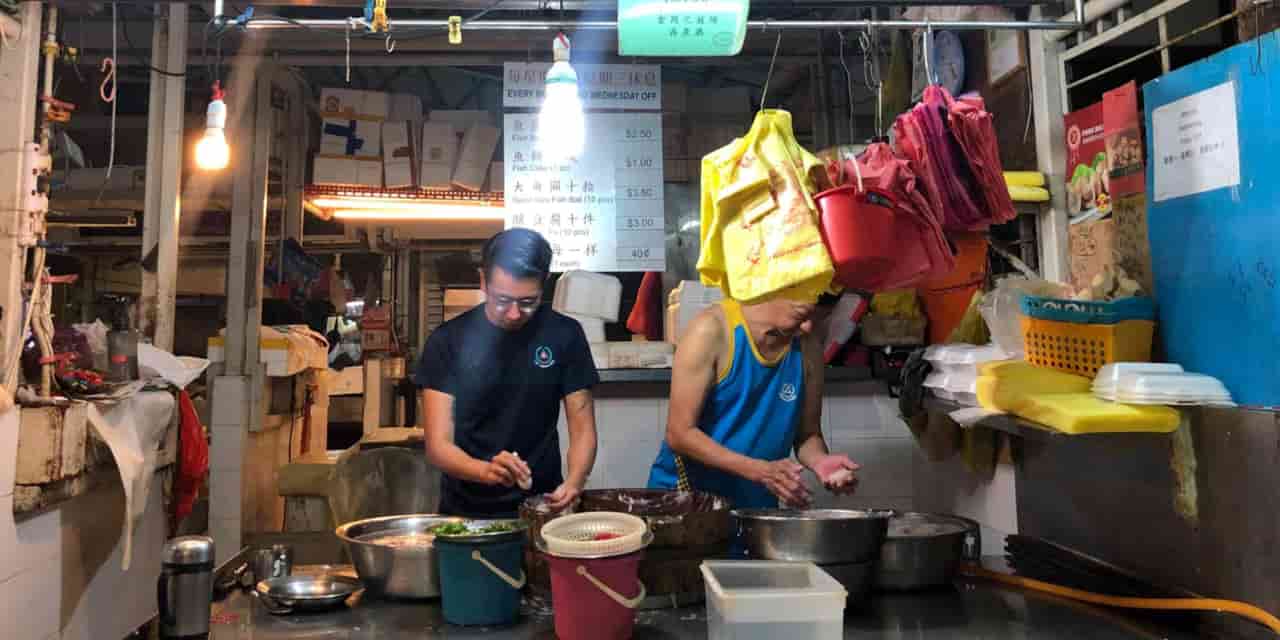
A new generation of young entrepreneurs is revitalizing Singapore's iconic hawker culture, blending traditional culinary heritage with modern business acumen and digital savvy. These "hawkerpreneurs" are not only taking over family businesses but also launching innovative concepts, adapting menus, and employing contemporary marketing strategies to appeal to a broader audience.
Driven by a passion for preserving culinary traditions and building businesses that align with their values, these young hawkers are transforming the perception of the demanding trade. They are leveraging social media platforms like Instagram and TikTok to showcase their creations, engage with customers, and build online presences. Beyond marketing, they are focusing on menu transparency, sustainability initiatives such as reducing single-use plastics and sourcing locally, and enhancing customer engagement through feedback and recipe adjustments.
However, the path is not without its challenges. High rental costs at popular hawker centres, significant equipment expenses, and the sheer physical demands of long hours and hot kitchens are considerable hurdles. The expectation of work-life balance, a contrast to previous generations, also presents a unique struggle for these newcomers.
Despite these obstacles, the influx of young talent is injecting fresh energy into hawker centres, ensuring the continuation of a tradition that is a cornerstone of Singapore's identity and is recognized on UNESCO's Intangible Cultural Heritage list. Their approach signifies a bridge between the past and the future of Singaporean cuisine.