Key facts
- The Japanese yen surged significantly against the dollar, reaching 155.85.
- Speculation of an imminent Bank of Japan interest rate hike fueled the yen's appreciation.
The Japanese yen significantly strengthened against the U.S. dollar, reaching a one-month high of 155.85, fueled by speculation of an imminent Bank of Japan rate hike. Federal Reserve Governor Christopher Waller's comments also contributed to dollar weakness.
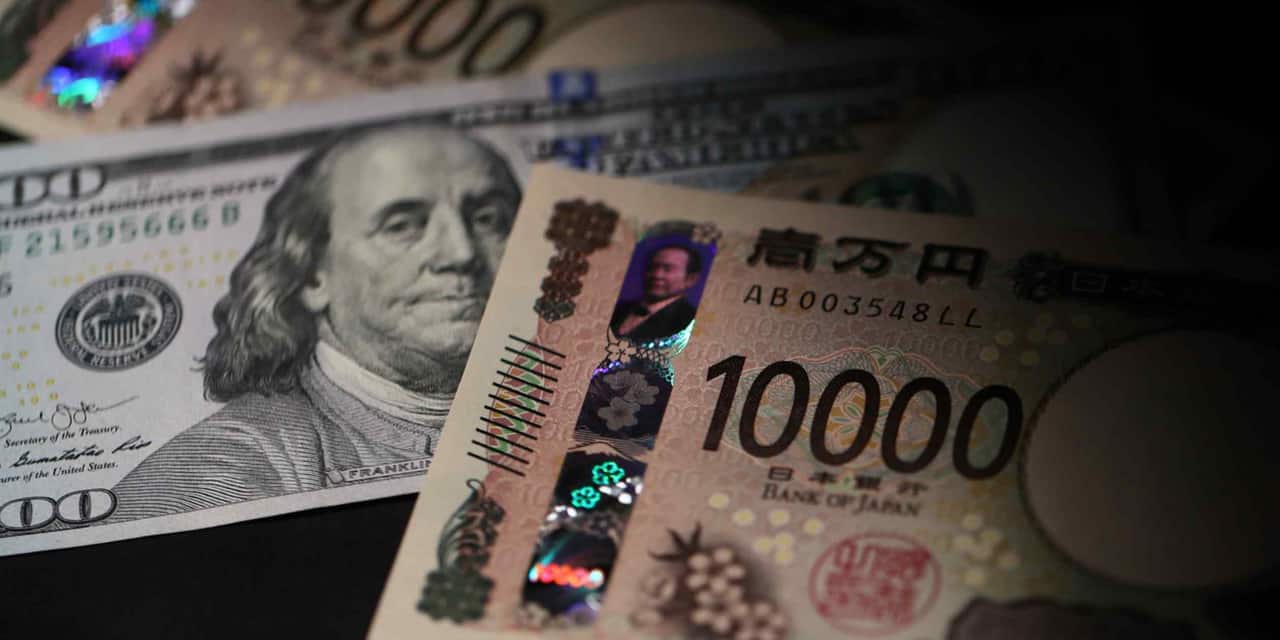
The yen's surge and dollar weakness reflect shifting global interest rate expectations and highlight the sensitivity of currency markets to central bank policy signals and inflation concerns.
The Japanese yen experienced a substantial surge, appreciating by over 1.7% against the U.S. dollar and reaching a one-month high of 155.85. This sharp movement was driven by heightened speculation that the Bank of Japan might raise interest rates sooner than anticipated. Remarks from BoJ policymaker Hajime Takata suggesting the need for nimbler policy adjustments fueled these expectations, with markets now pricing in a 77% probability of a rate hike at the upcoming September 17 meeting. The yen's rally occurred against a backdrop of global market jitters, including a significant sell-off in government bonds triggered by concerns over rising inflation, partly due to higher oil prices. Japan's vice-finance minister for international affairs, Atsushi Mimura, expressed a cautious stance, stating that policymakers remain on high alert. Federal Reserve Governor Christopher Waller's comments also contributed to dollar weakness by suggesting a pause in interest rate hikes if inflation cools.
Pick the topics you care about. Get only what matters, on your cadence.