Key facts
- The yen weakened past 163 per dollar, nearing a 40-year low.
- Japan's Finance Minister Satsuki Katayama signaled readiness to intervene in currency markets.
- Renewed U.S.-Iran tensions underpinned demand for the dollar.
- Oil prices rose due to U.S. strikes on Iran and Houthi attacks on Saudi tankers.
- Two-year U.S. Treasury yields reached a 17-month high amid inflation concerns.
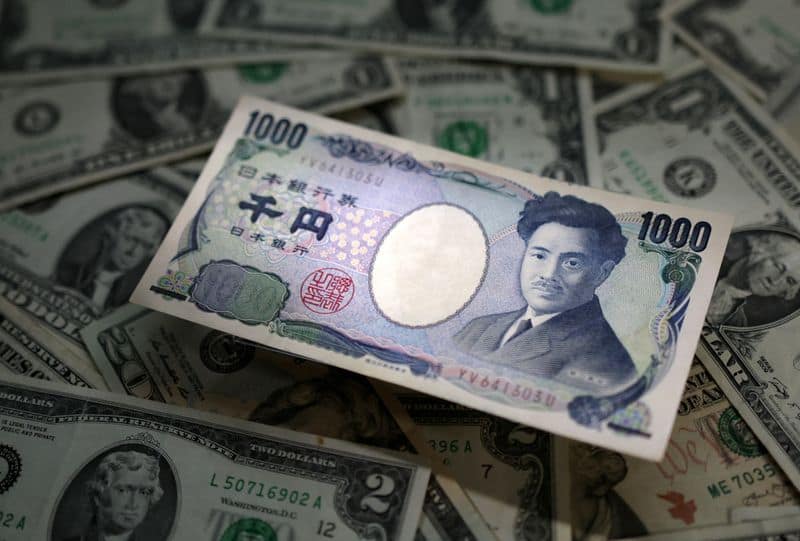
The dollar largely stabilized as renewed U.S.-Iran tensions kept investors on edge and underpinned demand for the safe-haven currency, while the yen languished near a 40-year low. The dollar index was flat at 101.11. Brent crude futures rose more than 1.3% to $95.31 a barrel after the U.S. military launched new strikes on Iran and Iranian-aligned Houthis claimed strikes on two Saudi oil tankers, raising the risk of further disruption to Red Sea oil flows. Two-year U.S. Treasury yields climbed to a 17-month high on Wednesday as rising oil prices stoked inflation concerns that could increase the odds of Federal Reserve interest rate hikes. The Japanese yen edged 0.02% higher against the dollar to 163.1, surrendering gains after Bloomberg News reported that Bank of Japan officials were open to raising rates at a faster pace than the consensus among economists. The yen had weakened to 163.23 on Tuesday, its lowest level since December 1986. Japan's finance minister has repeatedly issued verbal warnings about possible intervention in the currency market, and Tokyo carried out yen-buying operations in April and May. Analysts attribute the yen's weakness to broad-based dollar strength and the BOJ's still-low interest rates. "Against the backdrop of rising energy prices and mounting expectations of a more hawkish Fed meeting next week, it appears very unlikely — despite continued threats — that Japanese authorities will intervene until after next week’s FOMC meeting," said Tony Sycamore, market analyst at IG Australia.