Key facts
- Turkey's Finance Minister Mehmet Simsek stated that the liquidation of $18.3 billion in investment funds poses no widespread systemic risk.
- The BIST 100 index closed more than 6 percent lower at just over 13,000 points on Wednesday.
- Two asset management firms, Pusula Portföy and Tera Portföy, combined manage an estimated $20 billion in assets under management.
- Atlas Portföy extended the payout term on redemption orders from two days to five.
- The Turkish central bank will increase the amount of funding released into the market via its one-week repo auctions.
- The Capital Markets Board suspended trading in shares of seven asset management firms.
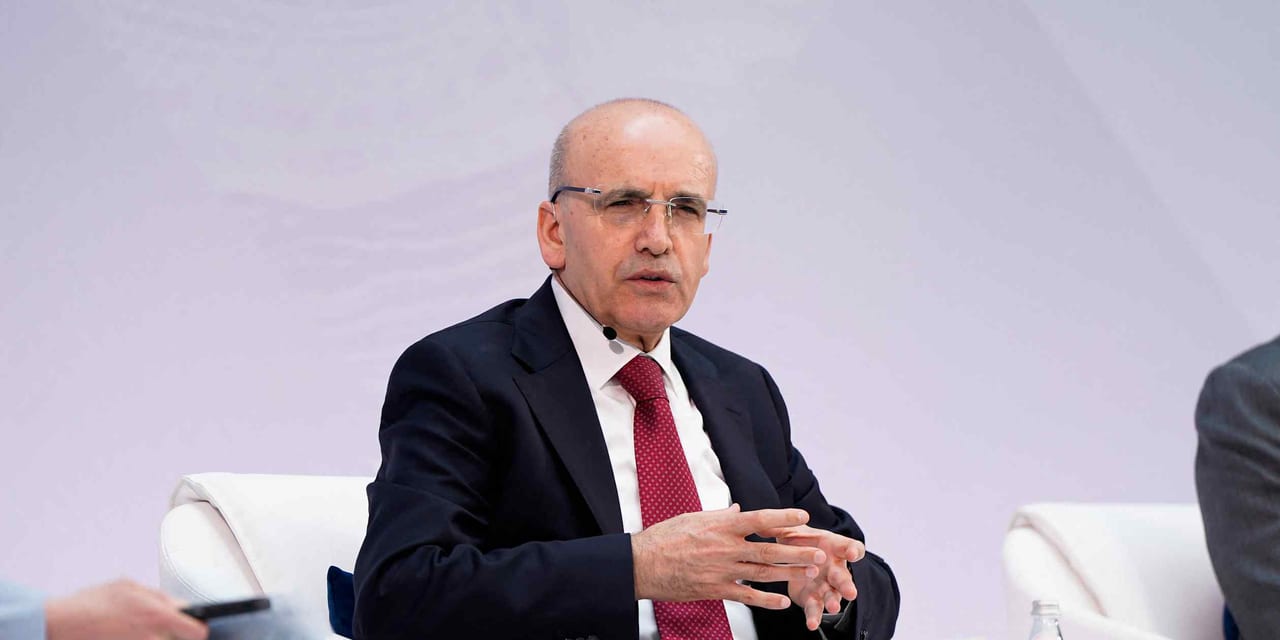
Turkish financial markets experienced a selloff earlier this week following issues with several asset management firms, prompting authorities to take action to restore confidence. Finance Minister Mehmet Simsek stated that the liquidation of investment funds worth $18.3 billion would not create widespread systemic risk, attributing the problems to credit and liquidity issues concentrated in a specific segment of the fund market.
The BIST 100 index closed down more than 6 percent on Wednesday, with trading in nearly half of its blue-chip stocks suspended at various points due to circuit breakers being triggered. This followed announcements from Pusula Portföy and Tera Portföy that they could not meet investor redemption requests. Atlas Portföy subsequently extended its payout term for redemptions. The three firms collectively manage approximately $29 billion in assets.
In response, Turkey's central bank announced an increase in repo funding and relaxed lending requirements to improve market liquidity and prevent contagion. The Capital Markets Board suspended trading in funds managed by seven asset management firms, including those at the center of the crisis, and referred 38 individuals to prosecutors for suspected market manipulation. Analysts suggest that recent regulatory changes by the Capital Markets Board, requiring funds to reduce exposure to small, illiquid stocks and increase transparency, may have also contributed to the sell-off by prompting portfolio firms to divest smaller holdings.