Key facts
- The Japanese yen reached a 40-year low against the U.S. dollar, trading at 162.27.
- This marks the yen's fourth consecutive quarterly decline against the dollar.
- Speculators have increased their net short positions on the yen.
- Markets are anticipating potential intervention from Japanese authorities.
- Upcoming U.S. jobs data is expected to influence the Federal Reserve's monetary policy decisions.
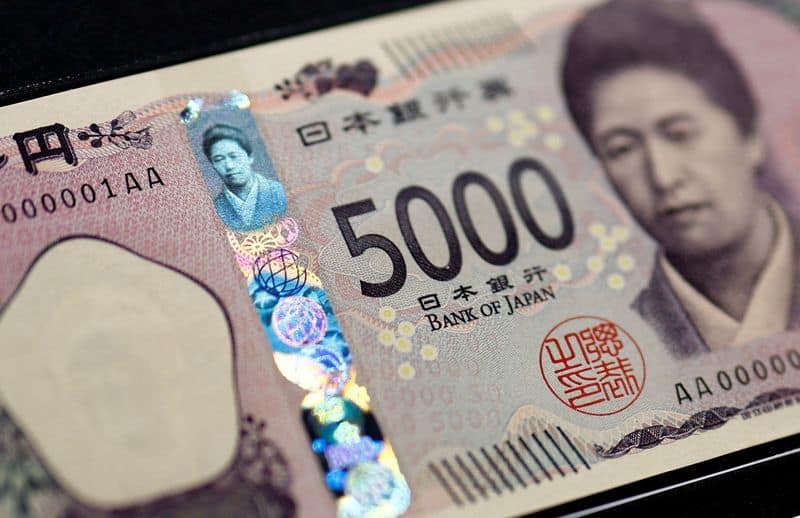
The Japanese yen weakened to 162.27 per dollar on Tuesday, marking its lowest level since 1986 and intensifying concerns about potential intervention from Tokyo. This marks the yen's fourth consecutive quarterly decline against the dollar, driven by a significant interest rate differential. Speculators have also increased their net short positions on the yen.
The market is closely watching upcoming U.S. jobs data for June, with traders pricing in a 63% chance of a Federal Reserve rate hike by September. Analysts suggest that while intervention is likely, it may not reverse the broader uptrend in USD/JPY without a shift in U.S. monetary policy.
In other developments, the dollar index eased slightly to 101.6. The U.S. Supreme Court's decision to prevent President Donald Trump from firing Fed Governor Lisa Cook was seen as easing concerns over the Fed's independence. Meanwhile, diplomatic efforts between Iran and the U.S. were underway in Doha amidst ongoing tensions.