Key facts
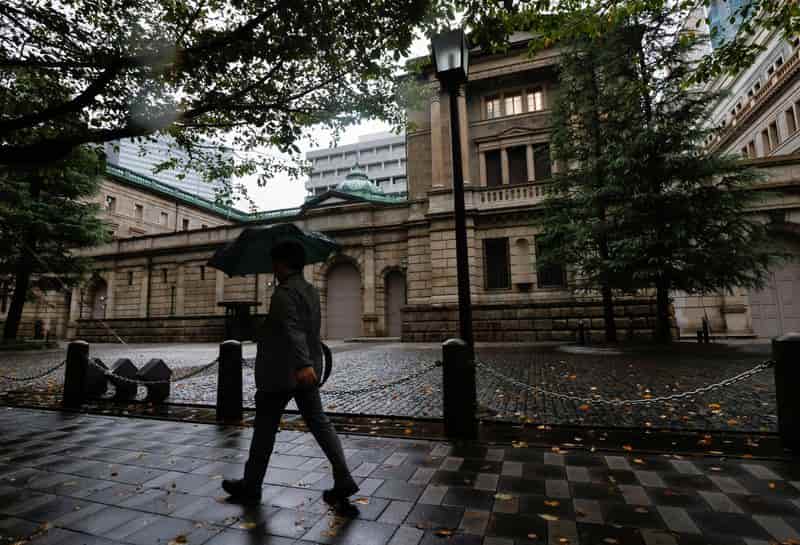
- The Bank of Japan raised interest rates, marking its second hike in three months.
- The yen weakened as the BOJ's rate hike was perceived as less hawkish than expected.
- Investors anticipate nearly three more US interest rate hikes by mid-next year.
- Similar rate hike expectations exist for Europe and Britain.
- Crude oil prices hovered just above $100 a barrel, up nearly 15% this month.
- China privately asked Tehran to help rein in Yemen's Houthis following an appeal from Saudi Arabia.
The Bank of Japan raised interest rates for the second time in three months, but the move was less hawkish than anticipated, leading to a weakening yen. This decision comes as other major central banks, including the U.S. Federal Reserve, the European Central Bank, and the Bank of England, are expected to implement further rate hikes. Japan's tightening pace is significantly slower than its global counterparts, with only two additional hikes anticipated for the country.
BOJ Governor Kazuo Ueda's upcoming news conference will be closely scrutinized for any signals that might influence market expectations regarding future policy. Meanwhile, Australia's Reserve Bank has already implemented the highest rates among G10 nations, with Governor Michele Bullock warning that upside risks to inflation appear to be materializing.
In geopolitical developments, Saudi Arabia and Yemen's Iran-backed Houthis engaged in cross-border strikes, prompting Yemenis to flee the Red Sea region. This escalation in the Middle East conflict has raised concerns about global oil supplies. However, hopes for alternative trade routes have capped further increases in crude prices, which remain just above $100 a barrel, up nearly 15% for the month. China has reportedly asked Iran to help restrain the Houthis following an appeal from Saudi Arabia.