Key facts
- The Bank of Japan raised its policy rate to 1.25% on Friday.
- This is the highest interest rate in 31 years.
- The move aims to prevent inflation from exceeding the 2% target.
- The decision was approved by a 7-2 vote.
- Two board members, Toichiro Asada and Ayano Sato, dissented.
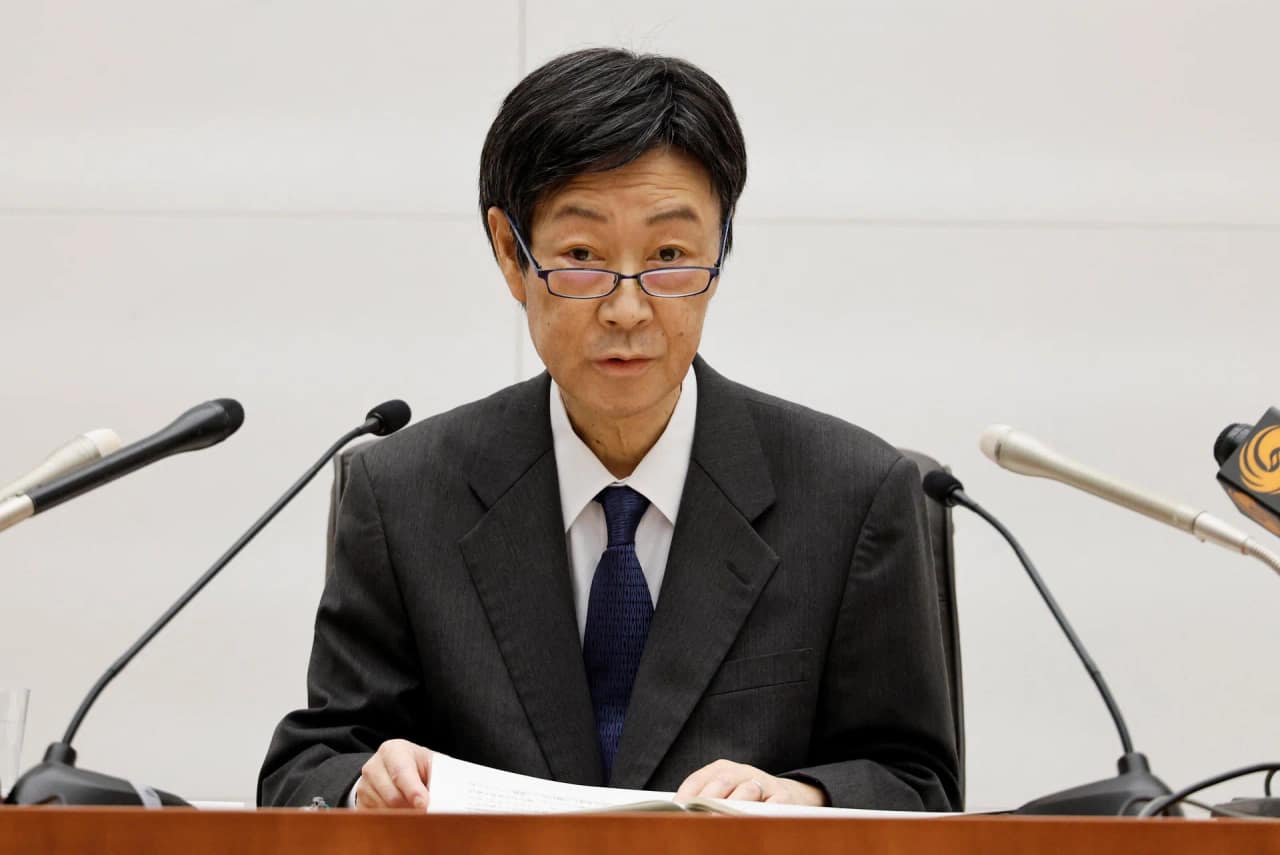
TOKYO, Sept 18 (Reuters) - The Bank of Japan raised its policy rate to a 31-year high of 1.25% on Friday, a move widely anticipated by markets as the central bank seeks to curb inflation risks. The decision, reached by a 7-2 vote at the conclusion of a two-day policy meeting, saw board members Toichiro Asada and Ayano Sato dissenting. Governor Kazuo Ueda is scheduled to hold a press conference later on Friday to elaborate on the central bank's decision. The hike from the previous rate of 1% aligns the BOJ with other global central banks that have been tightening monetary policy to combat rising prices. The bank's stated goal is to prevent inflation from exceeding its 2% target.
Hirofumi Suzuki, chief FX strategist at SMBC in Tokyo, noted that while the rate hike was expected, the two dissenting votes were a surprise, tempering expectations for further hikes and conveying a dovish impression. He added that the pace of future hikes would depend on the BOJ's leadership and that the yen initially weakened following the decision.
Fred Neumann, chief Asia economist at HSBC in Hong Kong, suggested that the tone of the statement and the dissenters indicated caution in further tightening. He pointed to unchanged inflation numbers for August as a factor, and stated that investors would be looking to Governor Ueda's press conference for reassurances on future rate hikes, particularly whether another hike is possible in December, given the Federal Reserve's hawkish tilt.