Key facts
- ECB Vice President Boris Vujcic cautioned against focusing solely on energy prices for rate hike expectations.
- Vujcic stated that the ECB considers a broader set of economic data, not just energy prices, for monetary policy decisions.
- Bank of England Governor Andrew Bailey indicated the economic outlook is too uncertain to confirm market expectations of four interest rate hikes.
- The Bank of England will pause active gilt sales for six months and unwind its £488 billion holdings by 2034.
- Barclays forecasts a November rate hike from the Bank of England, citing energy and Middle East conflict risks.
European Central Bank Vice President Boris Vujcic said market expectations for further rate hikes are largely driven by rising energy prices, but policymakers will consider a wider range of economic indicators. He cautioned against focusing exclusively on oil and gas prices, emphasizing that persistent high energy costs could also dampen economic growth by squeezing household incomes and spending.
Vujcic noted that while the euro zone has reduced its reliance on natural gas, making low storage levels less of a threat, the economy has shown resilience due to exports and private consumption. He stated that the ECB's current pace of rate increases, from 2.0% to 2.50% in June and September, is worth maintaining for the time being, with money markets pricing in additional hikes by the end of next year.
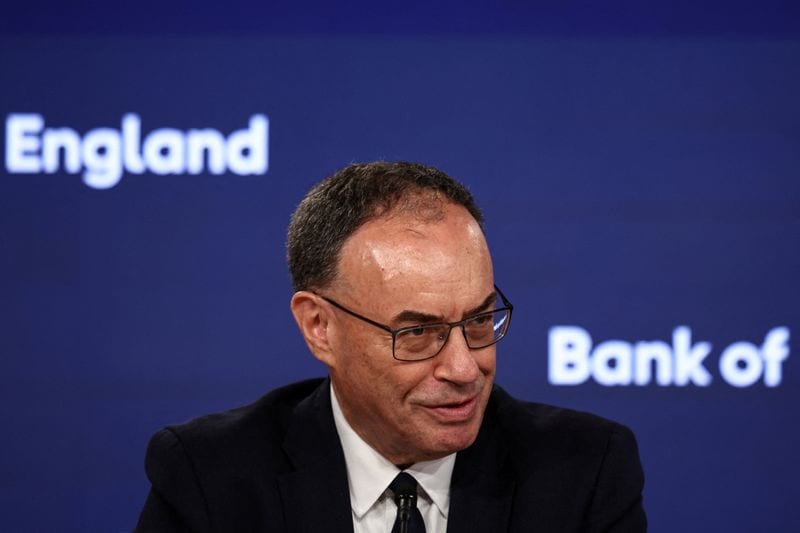
Separately, Bank of England Governor Andrew Bailey indicated that the economic outlook is too unpredictable to confirm market expectations of four interest rate hikes. The Bank of England also announced it would pause active sales of its £488 billion gilt holdings for six months, with a plan to unwind the remainder by 2034. Barclays, however, forecasts a 25-basis-point rate hike from the BoE in November, citing energy outlook and Middle East conflict risks.