Key facts
- The yen strengthened as traders reduced expectations of a Federal Reserve rate hike.
- The dollar reached a two-month low against major currencies.
- Most economists expect the Federal Reserve to hold interest rates steady in September and through year-end.
- Softer U.S. economic data, including inflation and retail sales, contributed to the shift in rate hike expectations.
- European shares rose, led by basic resources and technology stocks.
- Oil prices remained elevated due to stalled Iran peace talks.
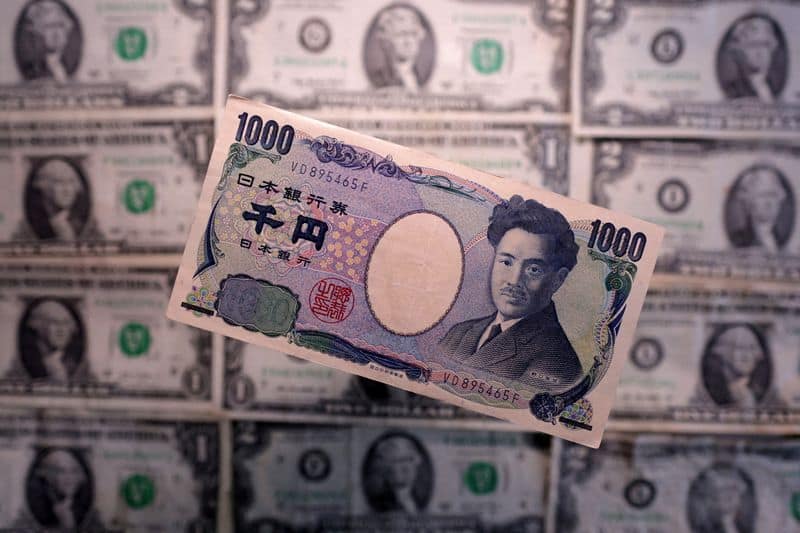
The yen strengthened against the U.S. dollar as traders scaled back expectations of a Federal Reserve rate hike this year, influenced by softer U.S. economic data. Fed funds futures now indicate a 66.9% probability of rates being held steady in September. European shares edged higher, with basic resources and technology stocks leading the gains. Gold prices advanced on a weaker dollar and softer U.S. economic data. Brent crude oil held steady at $88.50 a barrel, with geopolitical tensions involving Iran contributing to inflation risks. President Donald Trump urged acceptance of continued high fuel prices.
Most economists polled by Reuters expect the Federal Reserve to keep its key interest rate unchanged in September and through year-end, a view they have held for months. This sentiment was reinforced by recent news of unexpected job losses in July, lower-than-expected consumer price inflation, and weaker retail sales. However, markets are still pricing in one rate increase by end-December, with oil prices remaining elevated due to the ongoing U.S.-Iran conflict. Economists forecast PCE inflation to average 3.5% this year, remaining above the Fed's 2% target at least until 2028.