Key facts
- Yemeni government forces are regrouping after withdrawing from the country's west coast.
- Sultan al-Arada, a member of Yemen’s Presidential Leadership Council and governor of Marib, stated that forces will return to the battlefield.
Yemeni government forces are regrouping after recent setbacks and intend to return to the battlefield, according to Sultan al-Arada, a member of Yemen’s Presidential Leadership Council and governor of Marib. He described the losses to Houthi forces as "painful and unfortunate" but characteristic of warfare, accusing the Houthis of hindering peace talks and forcing a return to conflict.
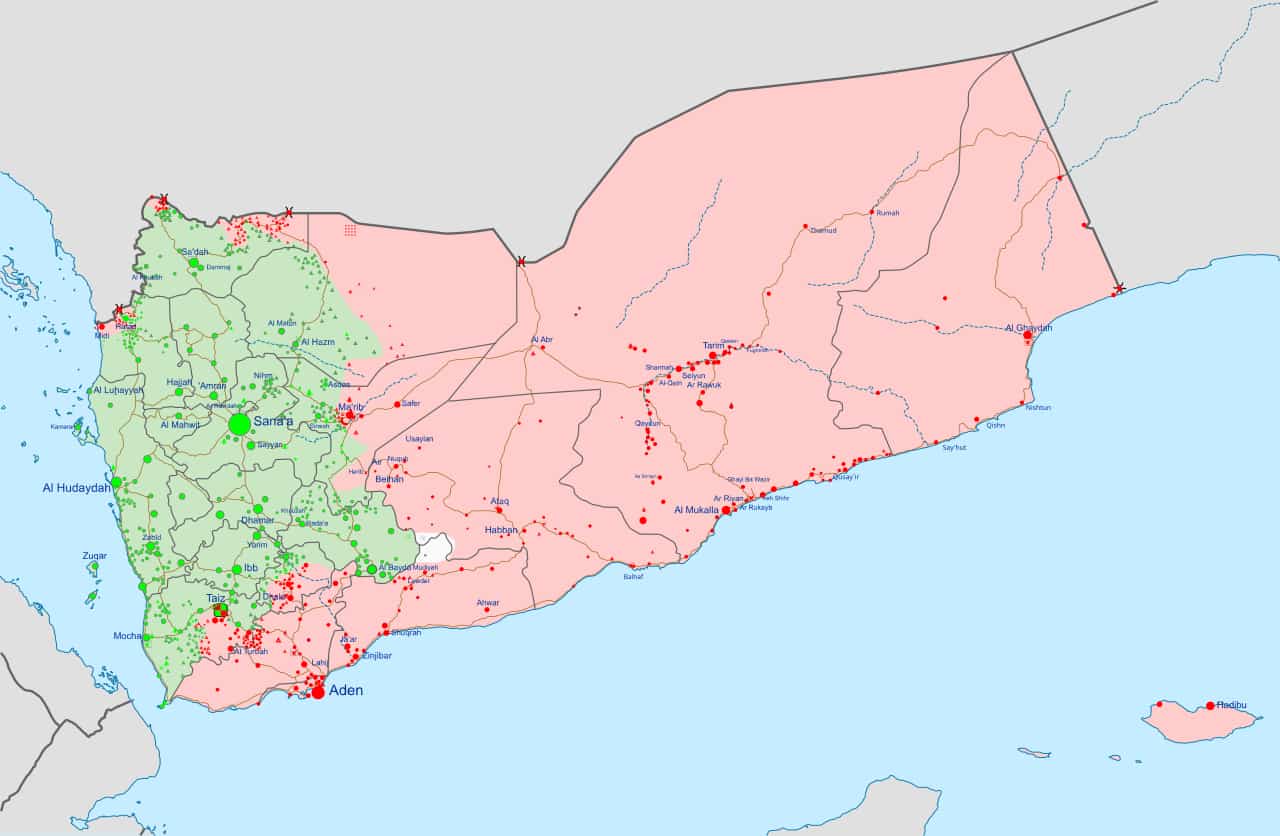
The renewed fighting in Yemen, occurring amidst the broader 2026 Iran war, risks further destabilizing the region and disrupting critical shipping lanes, particularly the Bab-el-Mandeb strait, which could impact global trade and energy flows.
Yemeni government forces are regrouping and plan to return to the battlefield after recent territorial losses to Houthi forces, according to Sultan al-Arada, a member of Yemen’s Presidential Leadership Council and governor of Marib. Al-Arada described the setbacks as "painful and unfortunate" but a natural occurrence in warfare. He accused the Houthis of obstructing the peace process and compelling a resumption of hostilities.
Heavy fighting erupted on September 3, 2026, between the Houthis and the internationally recognized PLC government, marking the most intense conflict in Yemen since the collapse of a 2022 ceasefire. The clashes began with a Houthi offensive in Taiz Governorate, which was met with a PLC counter-offensive in Al-Jawf and Al-Bayda governorates. The conflict coincides with the ongoing 2026 Iran war. The Houthis achieved a significant victory by capturing the entire west coast of Yemen following a decisive battle in Mokha.