Key facts
- West Bank families headed by women are more likely to be displaced and experience chronic illness.
- Some 83,200 households in the occupied West Bank are headed by women, representing one in eight households.
- Forty percent of women-headed households are no longer living in their original home, compared to 30 percent of men-headed households.
- Nearly nine in 10 women heading households reported checkpoints make travel feel unsafe.
- More than half of women heading households said movement restrictions block access to livelihoods.
- Nearly two-thirds of women household heads report chronic illness among household members, compared to 41 percent of male-headed households.
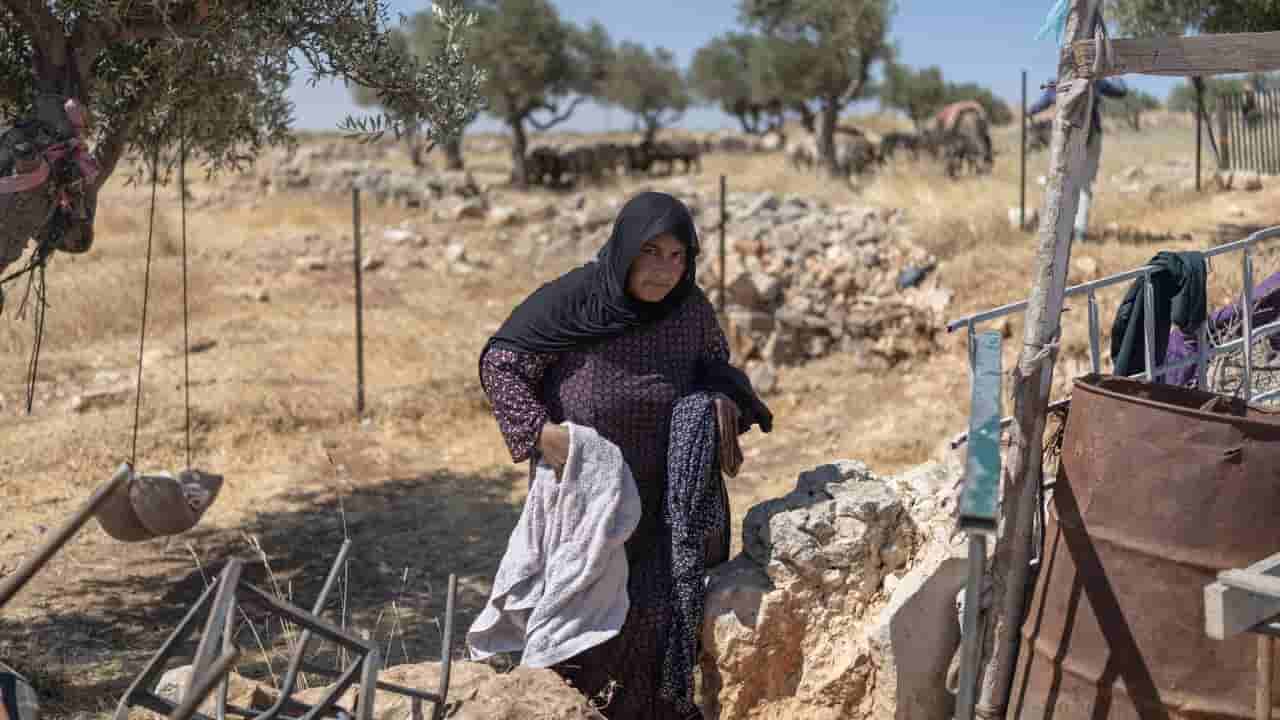
Families headed by women in the occupied West Bank face a disproportionately higher risk of displacement and chronic illness among household members compared to those led by men, according to a report by the United Nations Office for the Coordination of Humanitarian Affairs (OCHA). The agency estimates that approximately 83,200 households, or one in eight families in the West Bank, are headed by women.
The analysis, which includes data from UN Women, highlights the severe impact of escalating settler violence, military operations, and movement restrictions on these households. Nearly nine in 10 women interviewed who head their households stated that checkpoints make travel feel unsafe, and over half reported that movement restrictions are hindering their access to livelihoods. The number of movement obstacles, including staffed checkpoints and road barriers, has reached a two-decade high of 925 across the occupied West Bank.
Women household heads are more likely to have been displaced from their homes, with 40 percent no longer living in their original residence, compared to 30 percent of men-headed households. Furthermore, nearly two-thirds of women household heads reported chronic illness among household members, a significantly higher rate than the 41 percent reported by male-headed households. These vulnerabilities are exacerbated by limited access to essential needs such as cash, food, and hygiene supplies, with displaced women-headed households often unable to meet basic survival requirements and facing heightened fears for their children's safety.