Key facts
- Over 1,000 children with Down syndrome in Gaza have lost skills due to the ongoing conflict.
- Israeli attacks destroyed all facilities of the Right to Live Society (RLS), which provided specialized care.
- Children are experiencing trauma, displacement, and a severe lack of resources, hindering their recovery.
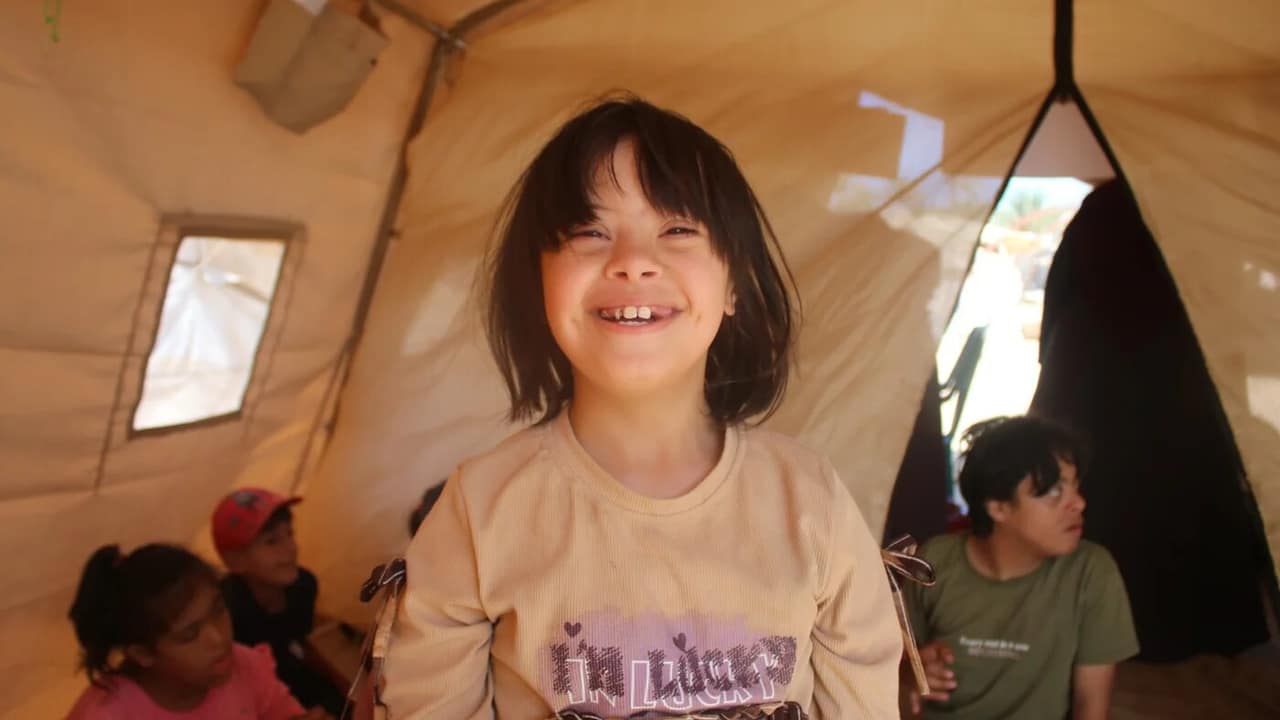
- The RLS has resumed services in makeshift tents, aiming to help children and parents regain lost skills and cope with trauma.
- Teachers are creating educational materials from aid package cardboard and colored paper due to resource shortages.
- Ongoing Israeli attacks and trauma from air strikes pose the biggest challenge to the rehabilitation process.
Children with Down syndrome in Gaza are struggling to regain skills lost due to the ongoing conflict, with many experiencing severe trauma and displacement. The Right to Live Society (RLS), which previously provided specialized care, had all its facilities destroyed by Israeli attacks. This has led to a significant setback for children who had developed basic skills in communication, personal hygiene, and early learning.
Before the war, RLS operated three facilities and employed 200 staff, offering comprehensive support from birth through adulthood. For families like Heba Alattar's, RLS was crucial in helping their children achieve developmental milestones. However, the conflict has erased years of progress, forcing children back to square one and causing immense emotional distress for both the children and their parents.
Survivors of the attacks face harsh living conditions in displacement camps, with a severe lack of resources, including essential supplies like diapers. The trauma of constant bombardment has led to regression in skills, with some children losing the ability to use the toilet independently and exhibiting increased fear and behavioral changes. There has also been a reported increase in births of children with Down syndrome, which RLS attributes to exposure to explosives and psychological stress.
In July 2024, RLS began efforts to resume some services in makeshift tents, providing psychological support and rehabilitation programs. Teachers are improvising educational materials due to shortages. Despite these efforts, ongoing Israeli attacks and the resulting trauma continue to be major obstacles, risking the loss of newly regained skills. The RLS currently serves over 1,000 children with Down syndrome and autism across three locations.