Key facts
- GLP-1 drug users are increasingly turning to dietary supplements to manage side effects.
- US supplement sales reached over $74 billion in 2025.
- Regulators are considering new rules for dietary supplements due to concerns over safety and marketing.
- The FDA is strengthening oversight of new dietary ingredients and may eliminate a pathway for companies to declare ingredients as 'generally recognized as safe' without FDA notification.
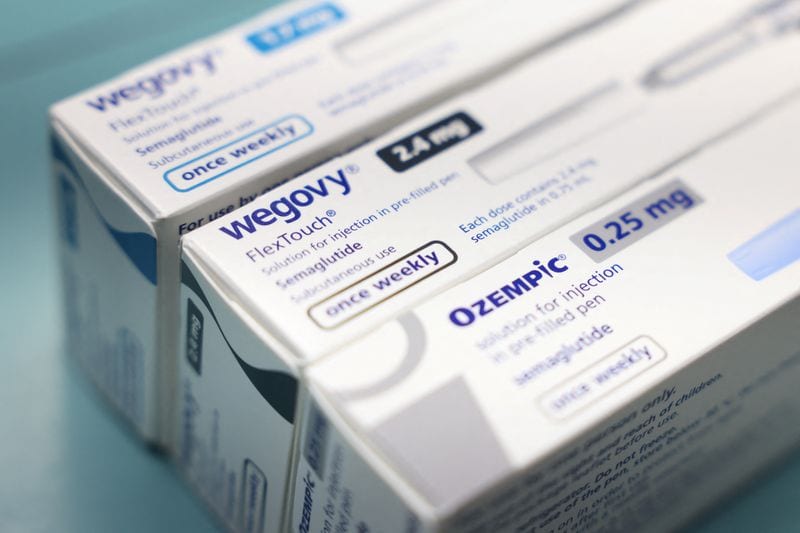
Users of popular weight-loss drugs like Novo Nordisk's Ozempic and Wegovy are increasingly turning to dietary supplements to manage side effects such as gastrointestinal distress and fatigue. Allison Vecchio, an ER nurse, found that a cocktail of supplements eased her symptoms, while Terri Hart, a TikTok influencer, also uses supplements to offset nausea and constipation. US supplement sales have surged, surpassing $74 billion in 2025, with social media playing a significant role in their promotion. Doctors and regulators are raising concerns about the scientific credibility and safety of these products, as they do not require preapproval by the US Food and Drug Administration. Retailers like Target are expanding their supplement offerings, and companies like Procter & Gamble and Kirin Holdings are acquiring supplement makers. US Health and Human Services Secretary Robert F. Kennedy Jr. has proposed tighter regulations, including a rule that would eliminate the 'generally recognized as safe' pathway for companies without FDA notification, a move that has divided the industry.