Key facts
- Federal Reserve Chair Kevin Warsh stated the central bank has "no tolerance for persistently elevated inflation."
- Warsh provided no signal on the Fed's next interest rate moves.
- Inflation fell 0.4% from May to June, with core inflation unchanged.
- Year-over-year inflation dropped to 3.5% in June.
- Warsh emphasized that any changes to the Fed's balance sheet policies would be clearly communicated with ample advance notice.
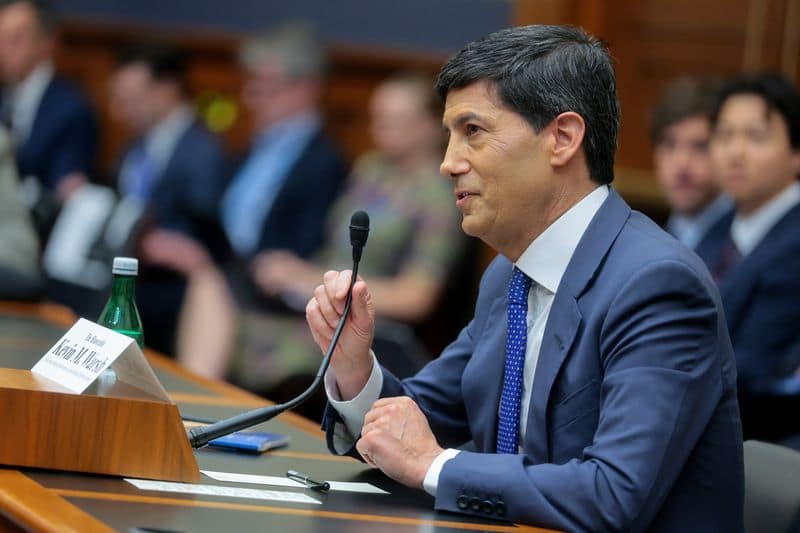
Federal Reserve Chair Kevin Warsh stated Tuesday that the central bank has "no tolerance for persistently elevated inflation" and is committed to restoring price stability, but offered no indication of the Fed's next policy steps. Warsh's remarks came after the government reported that inflation fell 0.4% from May to June, largely due to cheaper gas prices. Core inflation, excluding volatile energy and food costs, was unchanged last month, signaling a broader slowdown in price increases than economists had anticipated.
Year-over-year inflation dropped to 3.5% in June from 4.2% in May, while core inflation rose 2.6% from a year earlier, down from 2.9% in May. Despite these positive signs, the core inflation figure remains above the Fed's 2% target. Warsh cautioned that the recent data represents only one month of figures and that he does not view inflation as defeated.
Warsh, who replaced former chair Jerome Powell on May 22, heads a divided rate-setting committee, with roughly half of the 19 policymakers projecting higher interest rates by year-end and the other half signaling a preference for holding rates steady or even cutting them. He emphasized that any changes to the central bank's balance sheet policies would be clearly communicated and debated with ample advance notice, aligning with his stated policy of providing less forward guidance.
Pressed by lawmakers, Warsh affirmed his commitment to following the law, data, and the Fed's best judgment, particularly in response to potential political pressure from President Donald Trump. He also cited the Supreme Court's decision to allow Fed governor Lisa Cook to remain on the board as evidence of the Fed's independence.
The renewed conflict in the Middle East has contributed to rising oil prices, which could potentially reverse some of the recent progress on inflation.