Key facts
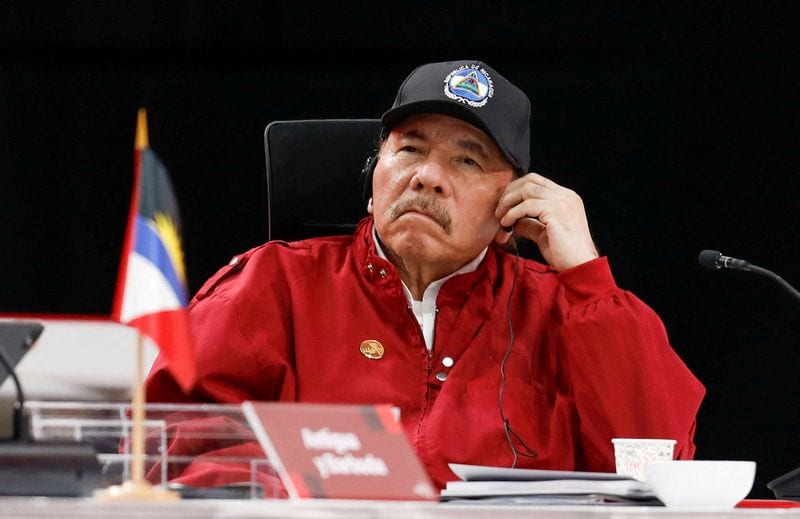
- Nicaraguan President Daniel Ortega announced the country will cease holding elections.
- U.S. Secretary of State Marco Rubio called for Nicaragua's international isolation.
- The UN human rights chief condemned the move, citing a crackdown on dissent.
- Nicaragua's congress is developing a plan to implement the suspension of elections.
- Potential U.S. trade sanctions or tariffs on Nicaraguan coffee could raise prices for U.S. consumers.
- The U.S. is Nicaragua's largest buyer of coffee, accounting for 35% of its exports.
Nicaraguan President Daniel Ortega announced that the country will cease holding elections, a move condemned by U.S. Secretary of State Marco Rubio, who called for international isolation. The UN human rights chief also criticized the decision as a severe crackdown on dissent. Nicaragua's congress has announced a work plan to implement Ortega's order.
This political development could lead to U.S. trade sanctions or tariffs on Nicaraguan coffee, a key export for the Central American nation and a major import for the United States. Coffee traders and analysts warn that such measures could further increase U.S. retail coffee prices, which are already at a decade high. Nicaragua earns approximately half a billion dollars annually from its coffee exports, and any U.S. restrictions would significantly impact its economy and small farmers, while also tightening the already strained U.S. coffee market.