Key facts
- The U.S. Treasury is proposing to revoke Banque Misr UAE's correspondent banking access to U.S. financial institutions.
- The action aims to cut off Iran's access to U.S. dollars through alleged shadow banking activities.
- Over 100 potential front companies allegedly transacted $1.8 billion through Banque Misr UAE accounts.
- The Treasury is using Section 311 of the USA PATRIOT Act against foreign banks deemed money-laundering concerns.
- The general manager of Bank Melli's Dubai branch and a Hong Kong-based front company were also sanctioned.
- These measures follow the UAE's announcement of suspending trade with Iran.
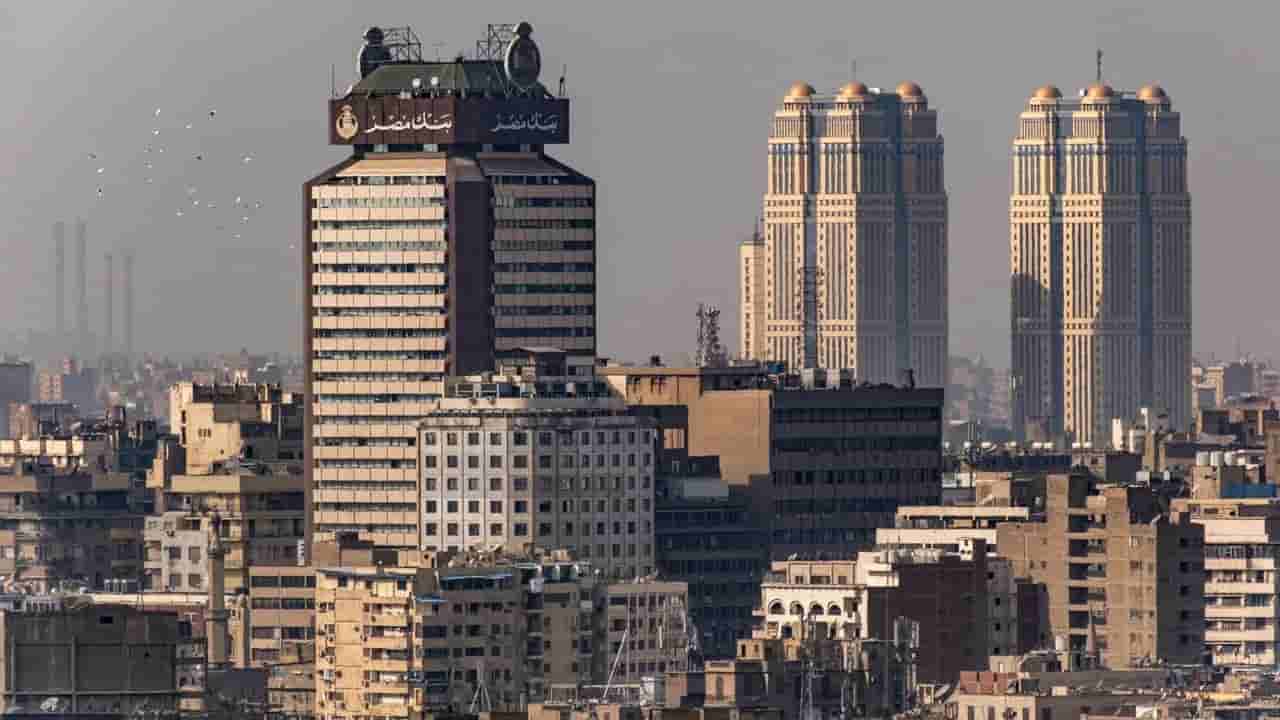
The U.S. Treasury has initiated a new pressure campaign, dubbed 'Operation Economic Outcast,' targeting foreign financial institutions with economic ties to Iran. Treasury accused Banque Misr's UAE operations of acting as a significant conduit for Iranian shadow banking, facilitating access to U.S. dollars despite existing sanctions. The agency identified 103 potential front companies that allegedly transacted $1.8 billion through these accounts between January 2024 and June 2026.
Treasury is invoking powers under Section 311 of the USA PATRIOT Act, which allows the Treasury secretary to take action against foreign banks deemed a primary money-laundering concern. A 30-day comment period will be open before the proposed rule against Banque Misr UAE takes effect, with its Emirati arm set to lose U.S. dollar access by September 28.
In a separate action, Treasury sanctioned the general manager of the Dubai branch of Bank Melli, Iran's largest lender, along with a Hong Kong-based front company accused of laundering funds to Iran. These measures follow the UAE's recent announcement of suspending all trade with Iran, a decision hinted to be a result of U.S. pressure.
Officials have so far not detailed the extent of pressure to be applied on China, Iran's largest trading partner, though Treasury has previously sanctioned some Chinese entities and refineries.