Key facts
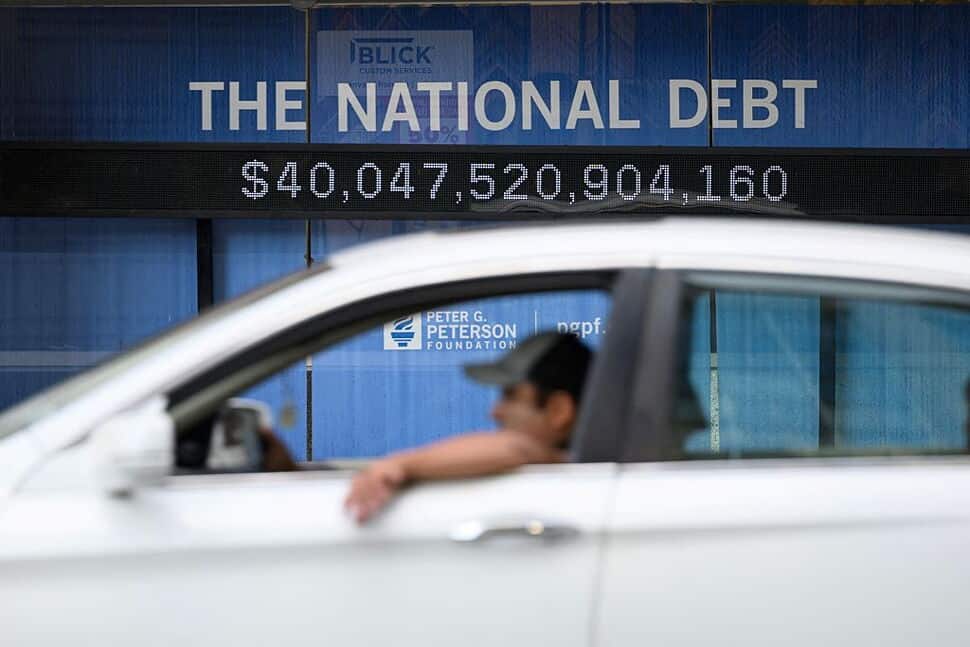
- The U.S. national debt has surpassed $40 trillion.
- The debt has more than doubled in the last decade.
- Interest costs on the national debt now exceed national defense spending.
- Factors contributing to the debt include COVID-19 spending, tax cuts, an aging population, and rising interest rates.
- Foreign purchases of U.S. debt have decreased, with China's holdings at a 14-year low.
The U.S. national debt has surpassed $40 trillion, a milestone reached amidst ongoing spending on conflicts, tax cuts, and tariff refunds, which have undermined promises of fiscal order. The debt has more than doubled in the past decade, driven by emergency COVID-19 spending, recent tax cuts, the increasing costs associated with an aging population, and rising interest rates. Interest payments on the debt now exceed national defense expenditures, according to Michael Peterson, CEO of the Peter G. Peterson Foundation, who warned that this trend contributes to higher interest rates and inflation, impacting Americans' mortgages, car loans, and credit card bills.
In an effort to manage longer-term yields, Treasury Secretary Scott Bessent announced a plan to buy back the longest-duration Treasurys and replace them with short-term bonds. However, this measure provided only temporary relief, reflecting a lack of investor confidence in the future trajectory of interest rates. Foreign demand for U.S. debt has also waned, with Chinese holdings falling to their lowest levels in 14 years. The significant debt accumulated by companies investing in artificial intelligence is also creating competition for Treasurys in the bond market.
Despite these concerns, U.S. debt remains in high demand as a safe-haven asset during market volatility. However, investors are demanding a higher premium for long-duration debt, signaling potential concerns about the U.S. economic future and fiscal policy. Sarah Hirsch, global market strategist at New York Life Investment Management, noted that debt sustainability hinges on demand, which requires investor faith in government spending decisions and the Federal Reserve's independence. Current inflation at 3.4% remains above the Fed's 2% target, limiting the central bank's ability to combat price increases through rate hikes. Market observers will be closely watching Fed Chair Kevin Warsh's address at the Jackson Hole symposium for insights into future interest rate policy.