Key facts
- A US military delegation arrived in Beirut to oversee the implementation of a Lebanon-Israel deal.
- The agreement involves Israel's gradual withdrawal from occupied areas in southern Lebanon.
- The Lebanese army is set to take control of two designated 'pilot zones'.
- The deal faces opposition from Hezbollah and has no set timetable for withdrawal.
- US Central Command will coordinate the implementation of the zones.
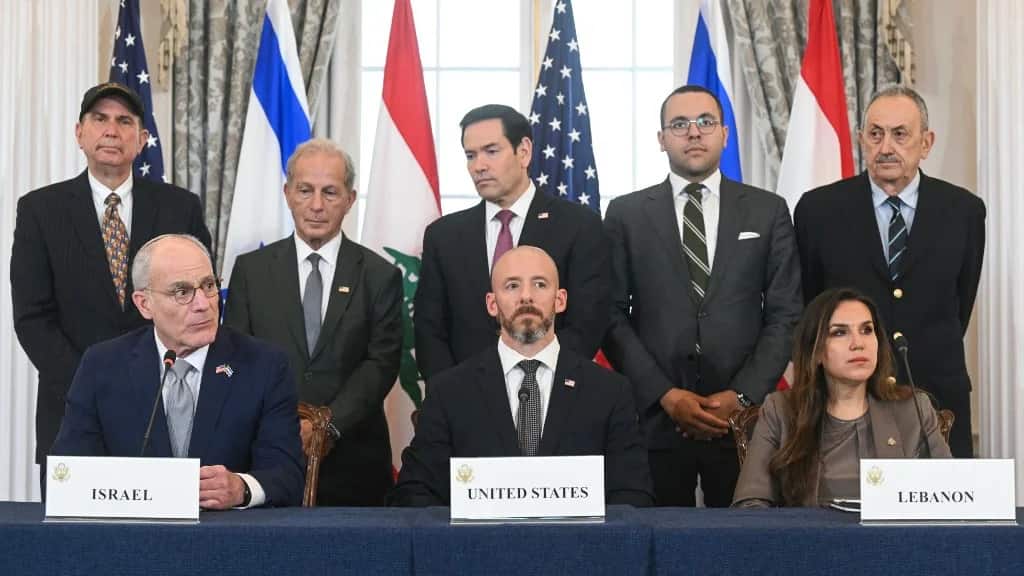
A US military delegation has arrived in Beirut to oversee the implementation of a framework agreement between Lebanon and Israel, which aims to end hostilities and involves Israel's gradual withdrawal from occupied areas in southern Lebanon. The deal, signed on June 26, stipulates that the Lebanese army will take full control of two designated 'pilot zones' from which Israeli forces will withdraw.
US Central Command will coordinate the implementation of these zones. A US official confirmed that the implementation stage has begun, with the first pilot zone expected to launch within days. However, the agreement has been rejected by Hezbollah, and Israeli officials have stated their forces will remain in a security zone as long as Hezbollah is armed.
Despite the truce, Israel has continued to strike targets in southern Lebanon. The Lebanese military official stated that the primary objective of the US delegation is to discuss the mechanisms for the first pilot zone withdrawal, allowing the Lebanese army to deploy. Technical teams are scheduled to discuss the agreement's details in Rome next week.
Concerns remain regarding the verification of Hezbollah's disarmament, which is a condition for the withdrawal. Critics argue the deal improperly links Israeli withdrawal to disarmament. Reports also suggest the Pentagon may deploy US ground troops to monitor compliance with the agreement.