Key facts
- The US controls Iraq's oil revenues through a financial system centered in New York, established after the 2003 invasion.
- This arrangement gives Washington leverage over Iraq's access to US dollars, which is being used to pressure Baghdad regarding Iran-aligned groups.
- In April, the US blocked a $500 million cash shipment to Iraq as leverage.
- The system began with the Development Fund for Iraq (DFI) and UN Security Council Resolution 1483, directing revenues to the Federal Reserve.
- Iraq's oil is priced in US dollars, and the country relies heavily on the currency for imports and international trade.
- Economists suggest Iraq could diversify by opening accounts with other central banks and selling oil in euros or yuan, while maintaining a US dollar account.
For over two decades, Iraq's oil wealth has been managed through a financial system centered in New York, a system established following the 2003 US-led invasion. Initially designed to protect oil revenues from creditors and fund reconstruction, this arrangement now grants Washington significant leverage over Iraq's access to its own dollars.
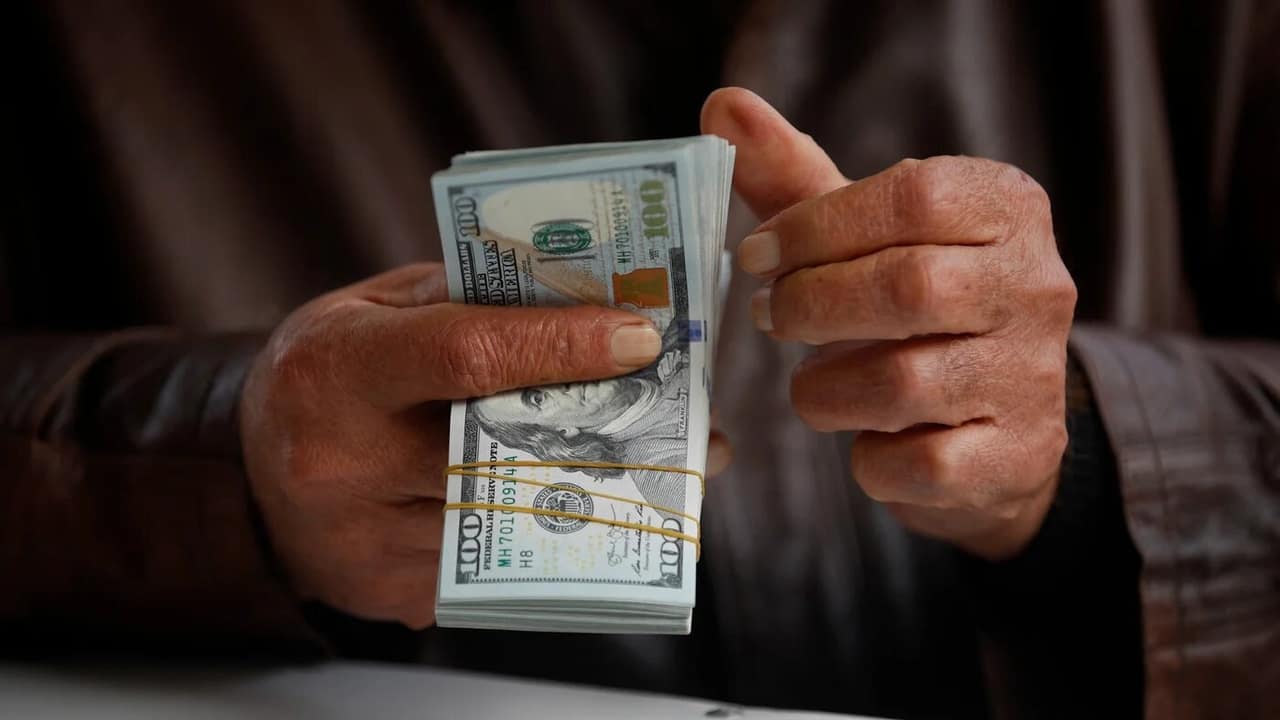
The US is increasingly utilizing this leverage to pressure Baghdad to curb Iran's influence and the activities of Tehran-aligned armed groups within Iraq. This was highlighted in April when Washington blocked a shipment of approximately $500 million in cash to Iraq, a move aimed at pressuring the Iraqi government over its dealings with Iran-aligned militias.
Muayen al-Kadhimi, a former member of the parliamentary Finance Committee, criticized the decision, describing it as a "serious violation of the financial and political sovereignty of the Iraqi state." Although the shipment was eventually restored, the incident underscored how Iraq's dependence on the US financial system can be wielded as a political tool.
The system originated with the Development Fund for Iraq (DFI), created by the Coalition Provisional Authority in May 2003. Under UN Security Council Resolution 1483, Iraqi oil and gas revenues were directed to a special account at the US Federal Reserve, with 5% deducted for compensation to Kuwait. This arrangement also incorporated frozen assets of Saddam Hussein's former government and surplus funds from the UN's Oil-for-Food program, partly to shield Iraqi assets from international creditors.
An International Advisory and Monitoring Board, comprising representatives from the UN, IMF, World Bank, and Arab Fund for Economic and Social Development, was established to oversee the fund. While the formal UN-backed system concluded in 2011 at the Iraqi government's request, oil revenues continued to be channeled through a new account, IRAQ2, at the New York Fed. This shift meant Iraq lost its comprehensive international protection and became reliant on annual US executive orders for immunity on its sovereign funds.
Iraq's dependence on the US dollar is significant, as its oil is priced overwhelmingly in dollars, and the currency is crucial for imports and international trade. Furthermore, the country faces approximately $40 billion in unsettled external debts, creating concerns that moving funds outside the current system could expose them to creditor claims.
Ahmed Saddam, an associate professor of economics at the University of Basra, noted the advantages of keeping the account in New York, including protection from creditors and facilitation of oil sales and international trade settlements due to the dollar's widespread use. However, he also pointed out the vulnerability to US pressure, stating that "there is no real financial independence." Saddam suggested diversification, such as opening accounts with the European Central Bank and central banks in East Asia, and selling a portion of oil in euros and yuan, while maintaining the primary dollar account and developing Iraq's domestic banking system.
The US has intensified its oversight of Iraq's dollar access as part of its economic pressure on Iran and efforts to target Iran-aligned groups. Washington has accused Iraqi financial entities of facilitating dollar flows to sanctioned entities. In early 2025, Iraq discontinued its foreign currency auction system, known as the foreign currency window, under sustained US pressure. This system had allowed private banks to obtain dollars from the Central Bank of Iraq in exchange for Iraqi dinars. The US leverage extends to the physical movement of dollars, as demonstrated by the April suspension of the oil revenue-backed cash shipment.