Key facts
- Idaho National Laboratory is investigating Chinese lidar sensors for potential security risks.
- The review is funded by companies in the electric and autonomous vehicle sectors.
- Concerns include potential military or industrial espionage and data transmission to China.
- Chinese lidar costs have decreased significantly, making them attractive to U.S. automakers.
- Legislation is being drafted to ban Chinese lidar use on American roads.
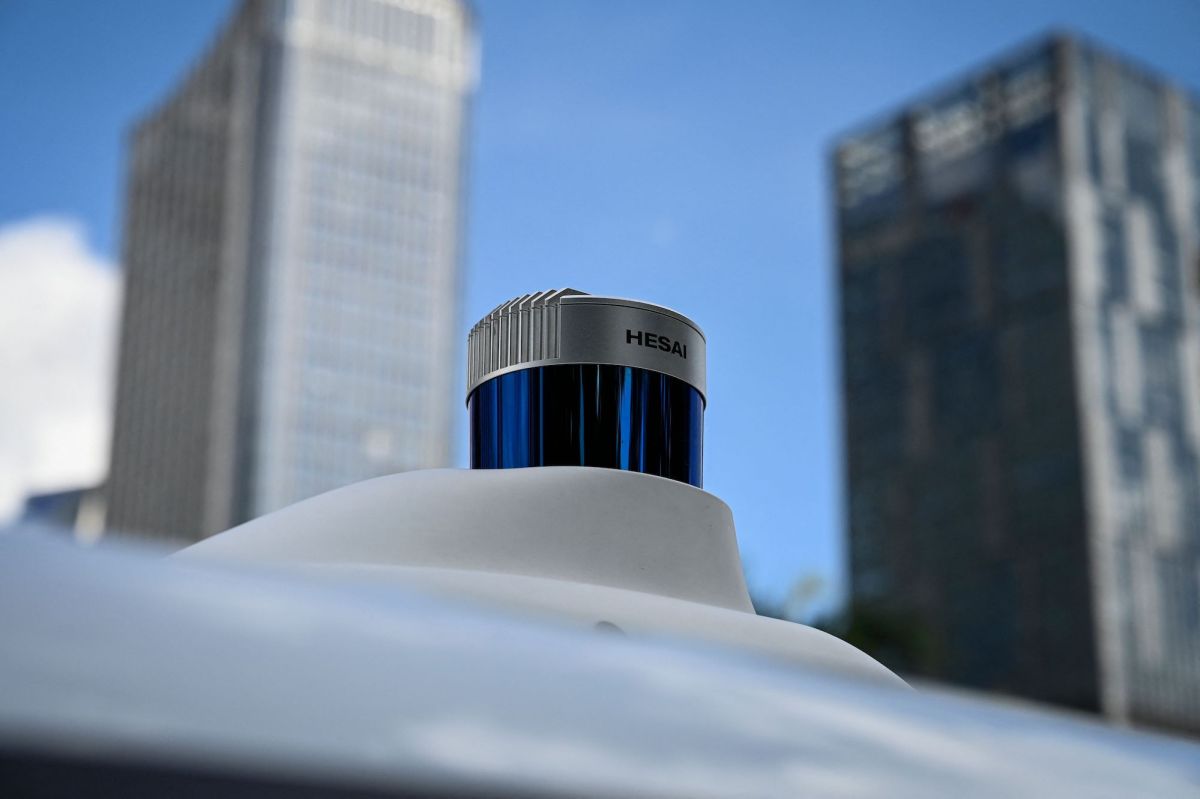
The U.S. government is examining Chinese-made lidar sensors for potential security vulnerabilities, with the Idaho National Laboratory conducting a review into whether these components could pose a risk if widely adopted in American vehicles. This investigation comes as lawmakers are pushing for bans on Chinese lidar due to concerns about espionage and data security.
Sources familiar with the effort indicated that the review is funded by companies within the electric and autonomous vehicle industries, though specific backers have not been identified. Major automakers and autonomous vehicle companies contacted, including Rivian, General Motors, and Ford, stated they were unaware of the specific review. Hesai and RoboSense, leading Chinese lidar suppliers, did not respond to requests for comment.
Lidar technology, crucial for autonomous vehicles, uses laser pulses to map surroundings. Lawmakers like Senator Tammy Baldwin and Congressman John Moolenaar have expressed concerns that Chinese lidar could be used for military or industrial espionage, potentially transmitting sensitive information back to China. Omer Keilaf, CEO of Innoviz, highlighted cybersecurity risks, including the potential for mass disabling of sensors or the exfiltration of detailed environmental data via cellular chips.
The cost of lidar has dramatically decreased over the past decade, largely due to Chinese manufacturers like Hesai and RoboSense scaling production. This cost reduction has led some U.S. companies, such as Rivian, to consider integrating Chinese lidar technology, potentially through joint ventures or by leveraging Chinese tech for domestic production. However, regulatory uncertainty looms, as the Department of Defense has placed Hesai and RoboSense on a list restricting their work with the U.S. military, and the Commerce Department has implemented rules against Chinese connectivity hardware in passenger cars.