Key facts
- Waymo has doubled its lobbying expenditure to advocate for robotaxi services.
- In New York, Waymo has spent over $500,000 this year, surpassing Uber's lobbying efforts.
- Waymo is seeking regulatory approval for robotaxi services in Washington D.C.
- Uber is advocating for hybrid networks that combine autonomous vehicles with human drivers.
- Uber has committed over $10 billion to its AV strategy.
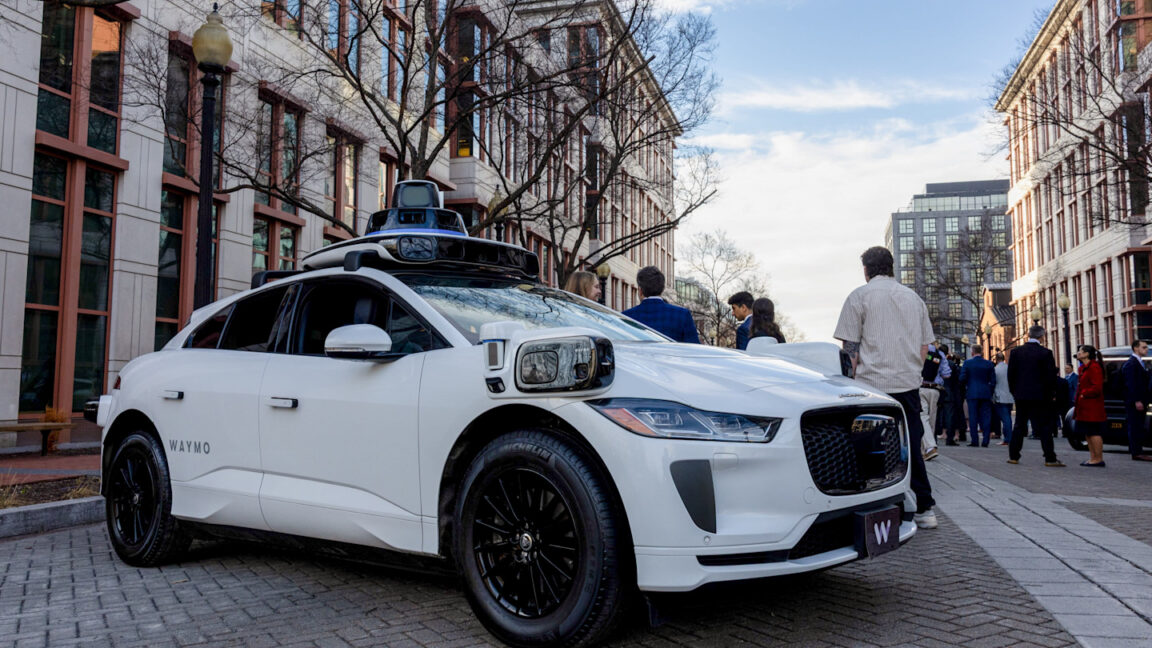
Waymo has significantly increased its lobbying efforts across the United States as it battles with competitors like Uber for regulatory approval of its robotaxi services. The company has doubled its spending on lobbying, with a particular focus on New York and Washington D.C.
In New York, Waymo has spent more than half a million dollars this year, exceeding Uber's lobbying expenditures in the state. This intensified push followed Governor Kathy Hochul's decision to scale back proposals that would have allowed autonomous vehicle companies to operate across most of the state. Waymo has also reportedly offered to establish a $20 million fund to support drivers who may be impacted by the deployment of its technology.
In the District of Columbia, Waymo has outspent both Uber and Zoox in lobbying local legislators, urging them to permit robotaxi services. The company has also engaged lawmakers in New Jersey, where a three-year pilot program for autonomous vehicle deployments is being explored.
Uber, which abandoned its in-house self-driving development in 2020, has committed over $10 billion in the past year through equity stakes and fleet agreements to bolster its autonomous vehicle strategy. The ride-hailing giant has cautioned several Democratic-led states against a broad rollout of robotaxis, instead lobbying for "hybrid networks" that would route rides to both human drivers and autonomous vehicles. In New Jersey, Uber has proposed that such platforms ensure human drivers handle at least 85 percent of all rides during a three-year pilot program. Critics have accused Uber of seeking regulatory capture, a claim the company denies, stating that hybrid networks allow for faster technology deployment while providing a framework for managing the transition.