Key facts
- The US spends 88% more per person on healthcare than other large, wealthy countries.
- US healthcare spending reached 18% of GDP in 2024, up from 7% in 1971.
- The healthcare system is structured so that various actors benefit from increased patient spending.
- High healthcare costs can lead to medical debt, bankruptcy, and reduced wages for workers.
- Reducing prices for hospitals and prescription drugs is considered key to improving affordability.
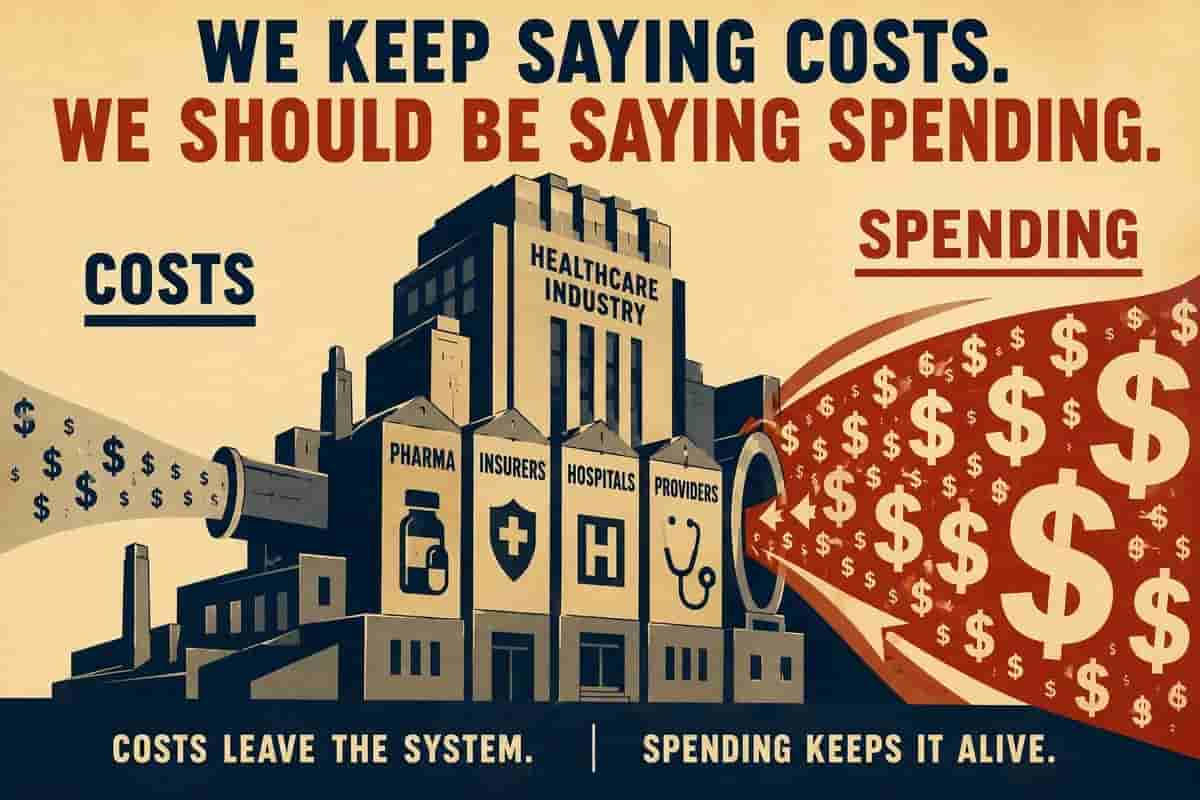
The United States spends significantly more on healthcare than other large, wealthy countries, a disparity driven by systemic choices rather than unavoidable costs, according to health economists. Zack Cooper, a Yale health economist, differentiates between "healthcare costs," which are perceived as a passive burden, and "healthcare spending," which implies active choices by various actors in the system.
Cooper argues that the healthcare system is structured such that pharmaceutical companies, insurers, hospital systems, and providers all have a financial incentive to ensure patients continue to spend more. This creates a chain where costs are passed down, with the patient ultimately serving as the primary revenue source for the entire system. This perspective suggests that for all parties except the patient, the system is functioning as designed.
Larry Levitt, Executive Vice President for Health Policy at KFF, noted that in 2024, the U.S. spent $14,775 per person on healthcare, substantially higher than the $7,860 spent in other high-income countries, representing an 88% difference. This trend of rising costs has been a concern for decades, with presidents from Bill Clinton to Barack Obama highlighting its unsustainability. By 2024, U.S. healthcare spending had reached 18% of GDP, a significant increase from 7% in 1971.
The consequences of these rising costs are far-reaching. For governments, it means less funding for other priorities. For employers, it can reduce profits, hinder international competitiveness, and lead to stagnant wages. For individuals, unaffordable healthcare can create barriers to care, result in crushing medical debt, and lead to poorer health outcomes. While subsidies and employer contributions can lower out-of-pocket expenses for individuals, these costs are ultimately borne by someone. Experts suggest that systematically lowering underlying healthcare costs, particularly the prices of hospital services and prescription drugs, is essential for achieving greater affordability.