US Army depleted nearly all long-range missiles in Iran war, sources say
IN SHORT
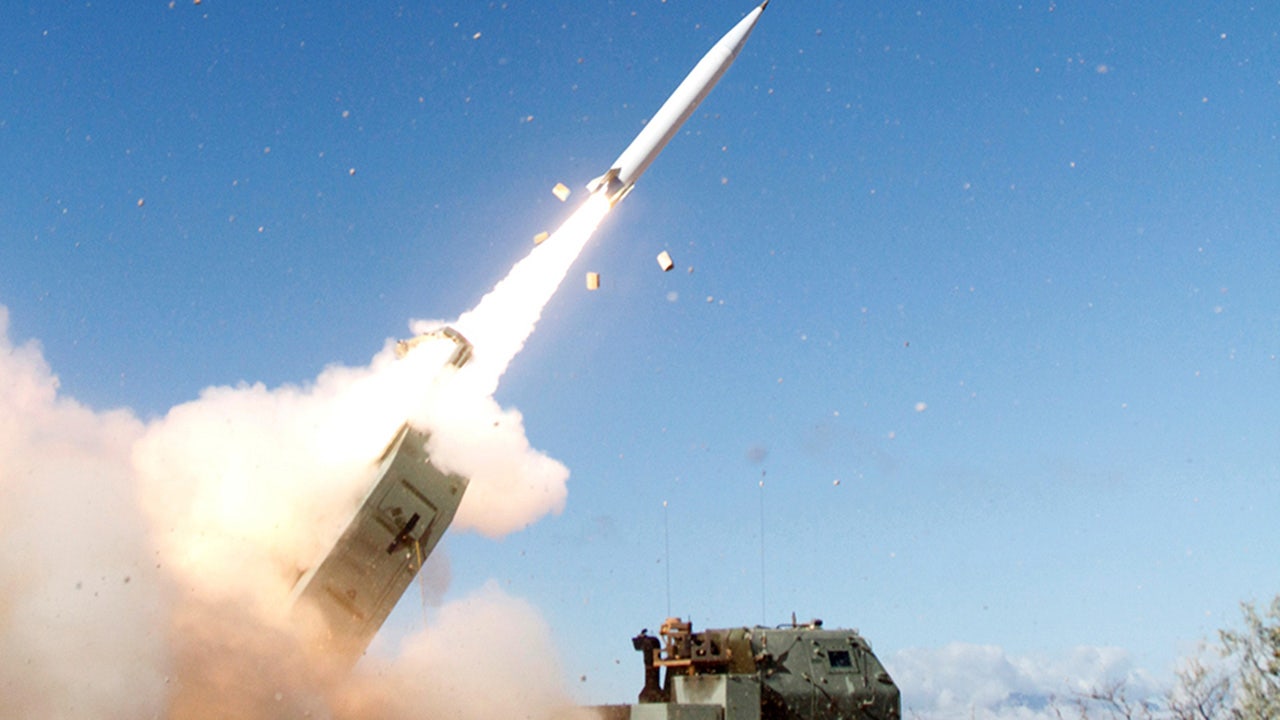
The U.S. Army has nearly exhausted its stockpile of long-range precision missiles, including ATACMS and Precision Strike Missiles, during the five-month war with Iran, raising concerns about future readiness and deterrence.
Key Numbers
five-monthduration of Iran war
80 percentTHAAD interceptors depleted
Who's Involved
U.S. Army
depleted long-range missile stockpile
President Donald Trump
stated U.S. has ample munitions and is increasing production
Reuters
reported on missile depletion citing sources
China
mentioned as potential adversary
Russia
mentioned as potential adversary
↳ Why This Matters
The depletion of long-range missile stockpiles raises concerns about the U.S. military's readiness for future conflicts and its ability to deter potential adversaries, potentially forcing reliance on riskier tactics if hostilities resume.