Key facts
- Most global internet traffic travels via subsea cables, which are increasingly vulnerable to sabotage.
Most of the world's internet traffic travels through subsea cables, which are increasingly at risk from sabotage due to rising geopolitical tensions and conflicts. A new book by Elisabeth Braw highlights a growing number of suspicious incidents involving damage to these crucial links.
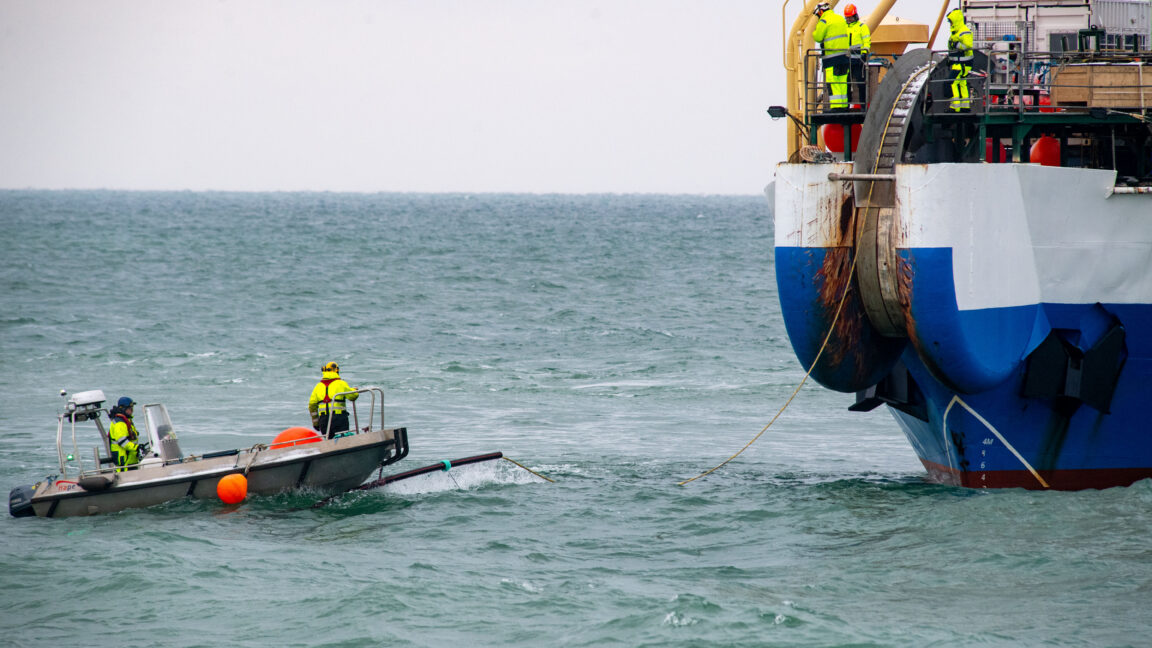
The increasing vulnerability of subsea cables and pipelines poses a significant threat to global internet connectivity and energy infrastructure, potentially causing massive economic disruption and impacting financial hubs.
Most of the world's internet traffic still relies on subsea fiber-optic cables, which are increasingly vulnerable to sabotage amid rising geopolitical tensions and conflicts. Elisabeth Braw, a senior fellow at the Atlantic Council, explores these growing risks in her new book, 'Undersea War'.
While about 60% of undersea cable damage is attributed to human error from fishing and shipping activities, and natural hazards also play a role, increased international tension has led to greater scrutiny of incidents. Between 150 and 200 cables are damaged annually, usually repaired quickly.
Notable incidents include the "Christmas Day massacre" in 2024, where the Russian-linked oil tanker Eagle S dragged its anchor for approximately 90 kilometers, damaging four data cables and the Estlink 2 submarine power cable. This occurred after the Chinese cargo ship Yi Peng 3 had already damaged two data cables in the Baltic region in November 2024. The crew of the Eagle S is facing prosecution by Finnish authorities, while the Yi Peng 3's crew was not prosecuted.
Globally, the captain of the Chinese-owned ship Hong Tai was convicted in Taiwan in June 2025 for severing an undersea telecommunications cable in February 2025, leading to a three-year prison sentence. Taiwan's legislature subsequently increased penalties for intentional damage to undersea cables or pipelines to up to seven years in prison.
Recent threats also include Iranian efforts to impose fees on cables traversing the Strait of Hormuz. Additionally, a joint operation involving the UK, Norway, and the United States reportedly confronted Russian submarines practicing methods to disable undersea cables in Arctic waters near Norway's Svalbard archipelago.
Pick the topics you care about. Get only what matters, on your cadence.