Key facts
- Ukrainian oligarch Vadym Iermolaiev and his family were injured in a bombing outside their Monaco apartment on June 29.
- Authorities are investigating the incident as a likely attack.
- Iermolaiev has been sanctioned by Ukraine for alleged collaboration with Russia, which he denies.
- His son, Artur Iermolaiev, is involved in an investigation into fraudulent call centers.
- Iermolaiev founded Alef Group, with assets in agribusiness, real estate, and other sectors, and was previously ranked among Ukraine's wealthiest businessmen.
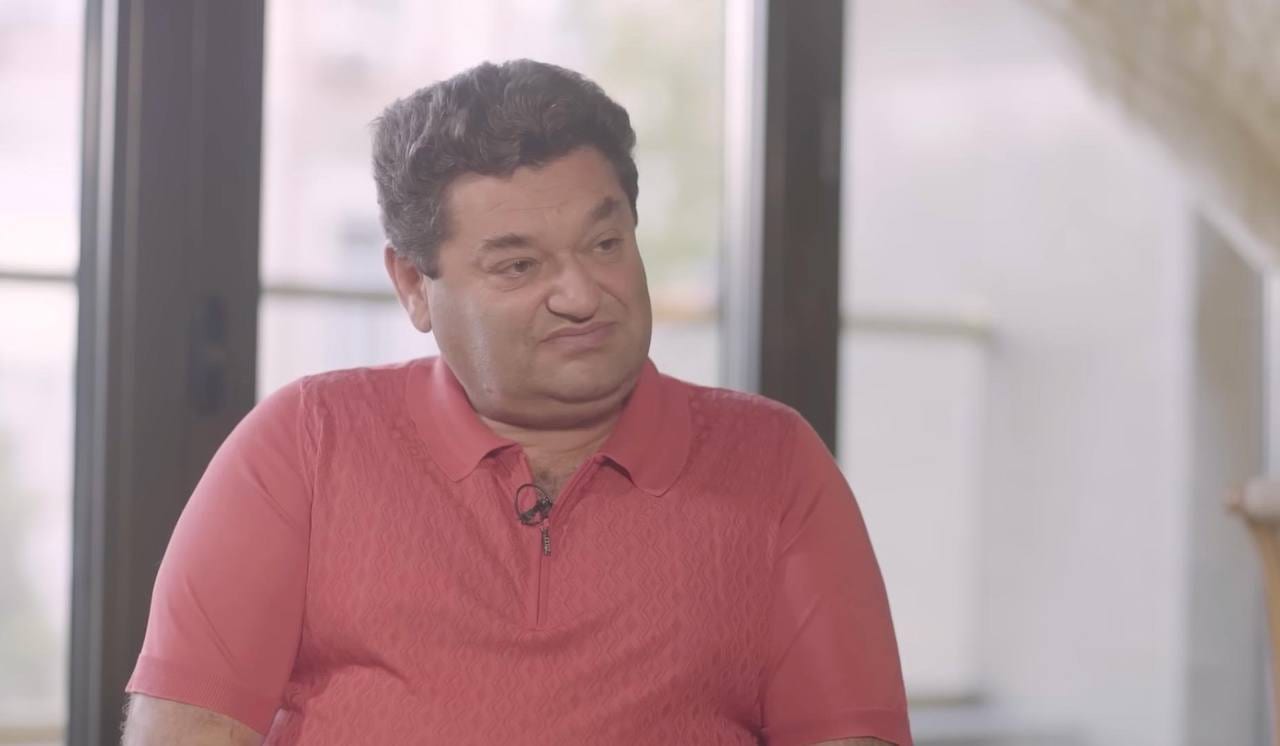
Ukrainian-born oligarch Vadym Iermolaiev, his wife, and their 13-year-old son were injured in an explosion outside their apartment building in Monaco on June 29. Monaco's minister of state, Christophe Mirmand, described the incident as "likely an attack," and Prosecutor General Stephane Thibault indicated that an individual was seen leaving a package before fleeing the scene.
Iermolaiev, born in Dnipro in 1968, founded Alef Group in 1995, which holds assets in agribusiness, real estate, construction materials, and medical equipment. He was ranked 45th on Forbes' list of richest Ukrainians in 2021 with an estimated net worth of $220 million. Political analyst Volodymyr Fesenko characterized Iermolaiev as a significant regional oligarch with influence in Dnipro but limited national political reach.
Controversy surrounds Iermolaiev, who renounced his Ukrainian citizenship in 2017 and is now a Cypriot citizen, citing issues with the Ukrainian judicial and tax systems. He has been sanctioned by Ukraine since 2023 for alleged collaboration with Russia, a charge he denies. He previously operated an alcoholic beverage business in Crimea, which he claims was seized by Russian authorities after 2014. He reportedly moved to Monaco in 2022 and lived a luxurious lifestyle.
Further complicating the situation, Iermolaiev's son, Artur, was detained in Cyprus in December 2025 as part of an investigation into fraudulent call centers. Artur allegedly received over 100 million euros between 2019 and 2022, including 5.4 million euros from Estonian residents. He reached a plea bargain in Estonia, receiving a suspended sentence and paying a significant fine. Analyst Fesenko suggested the attack on Vadym Iermolaiev could be retaliation linked to his son's plea deal and potential cooperation with investigators.