Ukraine strikes disable over half of Russia's oil refining capacity, Defense Ministry says
IN SHORT
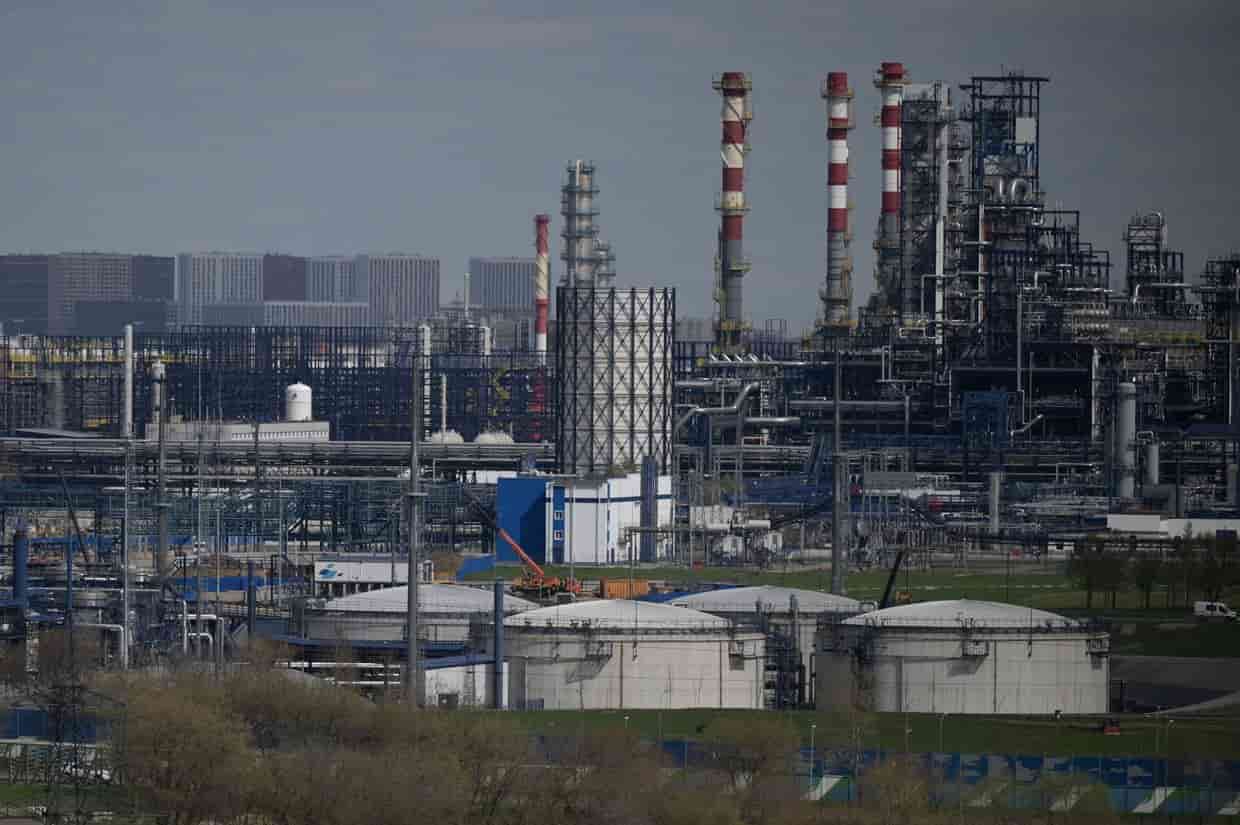
Ukrainian attacks have disabled more than 51% of Russia's oil refining capacity, according to a report from Ukraine's Defense Ministry on October 4. The strikes are part of a broader campaign targeting Russia's energy infrastructure to cripple its war machine and economy.
Key Numbers
51%of Russia's oil refining capacity disabled
3,200 kilometersrecord drone strike distance from Ukrainian border
1,500 kilometerstypical reach of Ukrainian long-range drones and missiles
45%Russian refining capacity drop reported on Sept. 21
Who's Involved
Ukraine's Defense Ministry
reported over 51% of Russia's oil refining capacity disabled by Ukrainian attacks on Oct. 4
Yevhen Khmara
Ukraine's Defense Minister, cited analysts and detailed the impact of strikes on Oct. 4
Vladimir Putin
Russian President, signed a decree restricting access to oil refinery and energy export data on Sept. 28
↳ Why This Matters
The sustained Ukrainian attacks on Russian oil refining capacity directly impact global energy supply and prices, while also significantly affecting Russia's economic and military capabilities.