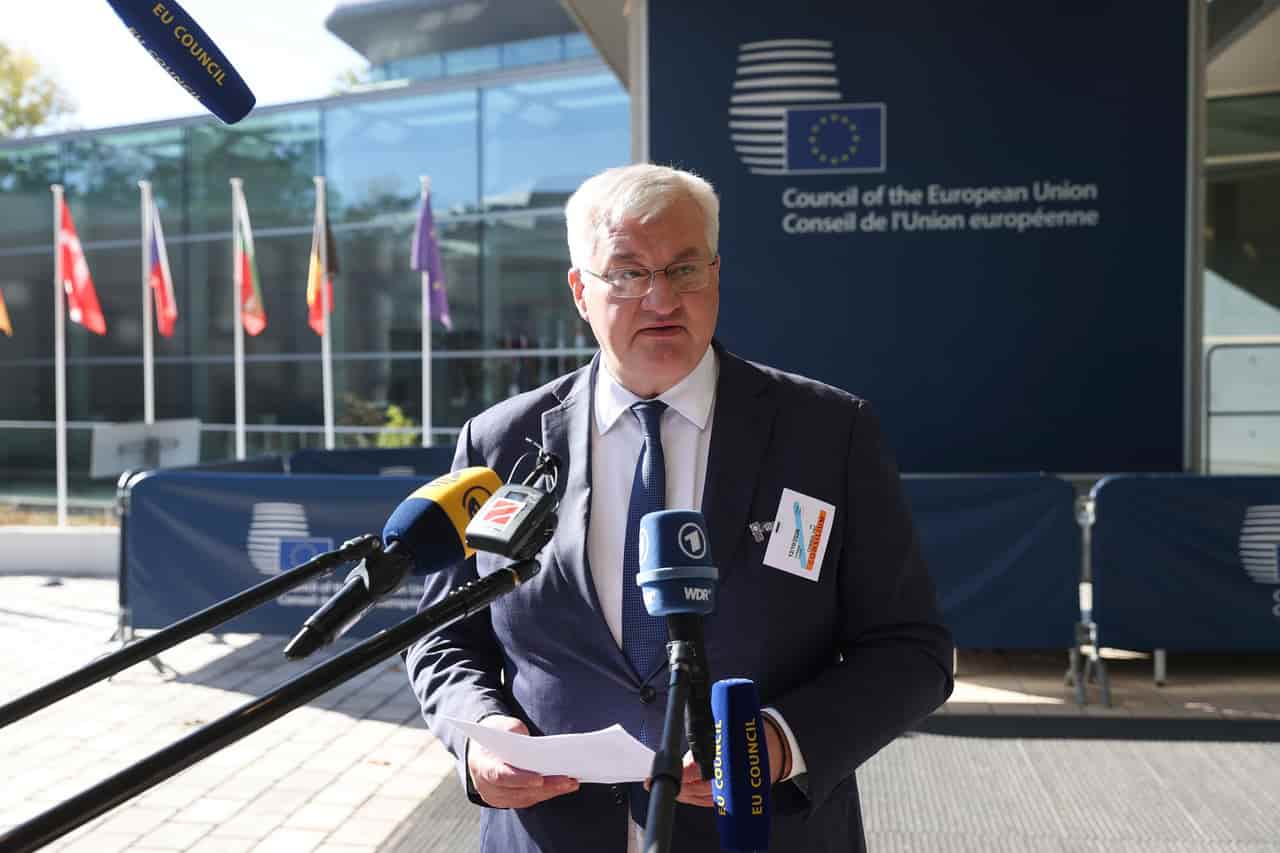
Key facts
- Ukraine's Foreign Minister Andrii Sybiha advocates for using frozen Russian assets for Ukraine's defense and recovery.
- Russia plans to spend a record €180 billion on its military in 2027, over 40% more than in 2026.
- The draft Russian federal budget allocates a combined €669 billion to defense and security for 2027-2029.
- Approximately €210 billion of the immobilized Russian central bank reserves are held in the EU.
- Ukraine proposes placing the assets under collective EU control to share risk and liability.
Ukraine's Foreign Minister Andrii Sybiha has called for Europe to actively use frozen Russian assets for Ukraine's defense and recovery, arguing that their immobilization alone does not deter Russia. Sybiha stated that the true leverage lies in the decisive deployment of these funds, especially in light of Russia's increasing military expenditure.
According to recent reports, Russia intends to allocate a record €180 billion to its military in 2027, a significant increase from its 2026 defense budget. Over the period of 2027-2029, Russia's draft federal budget earmarks a total of €669 billion for defense and security. Sybiha asserted that these figures demonstrate Russia's commitment to war and that escalating the cost for the aggressor is the most effective path to restoring peace.
Several European nations, including Sweden, the Netherlands, Spain, and Poland, have urged the European Commission to reconsider the use of immobilized Russian assets. Ukraine's Finance Ministry has proposed a plan to place these assets under collective EU control, thereby sharing the decision-making authority and liability among member states, rather than placing the burden solely on Belgium, where most of the assets are held at Euroclear.
The G7 immobilized approximately €300 billion in Russian central bank reserves in 2022, with about €210 billion held within the EU. In 2024, the G7 secured a $50 billion loan for Ukraine, backed by the future profits generated from these reserves. The immobilization of these assets was made open-ended in December 2025.
Sybiha addressed common arguments against using the assets, including concerns about the rule of law, the euro's reserve currency status, loss of leverage in peace talks, and potential Russian retaliation. He argued that using the assets aligns with international law on state responsibility and countermeasures, noting that the legal title would remain with an EU-governed vehicle and the arrangement would be reversible upon Russia's payment of reparations. He also contended that the euro's credibility is tied to Europe's defense of order and that Russia's current budget indicates a lack of willingness to negotiate based on its reserves. Regarding retaliation, Sybiha pointed out that Russia has already seized Western assets within its borders.