Key facts
- Ukraine and Moldova are advancing their European Union membership process on June 15.
- Russian opera star Anna Netrebko is scheduled to perform in Luxembourg on the same day.
- Ukraine's embassy has voiced concerns about Netrebko's past public support for Vladimir Putin and state awards.
- The Luxembourg Philharmonie considers the event a "place of dialogue" and not a political statement.
- EU foreign ministers will discuss measures to increase pressure on Russia in the cultural sphere.
- Lithuania has proposed a coordinated approach for EU countries to discourage Russian participation in international cultural and sports events.
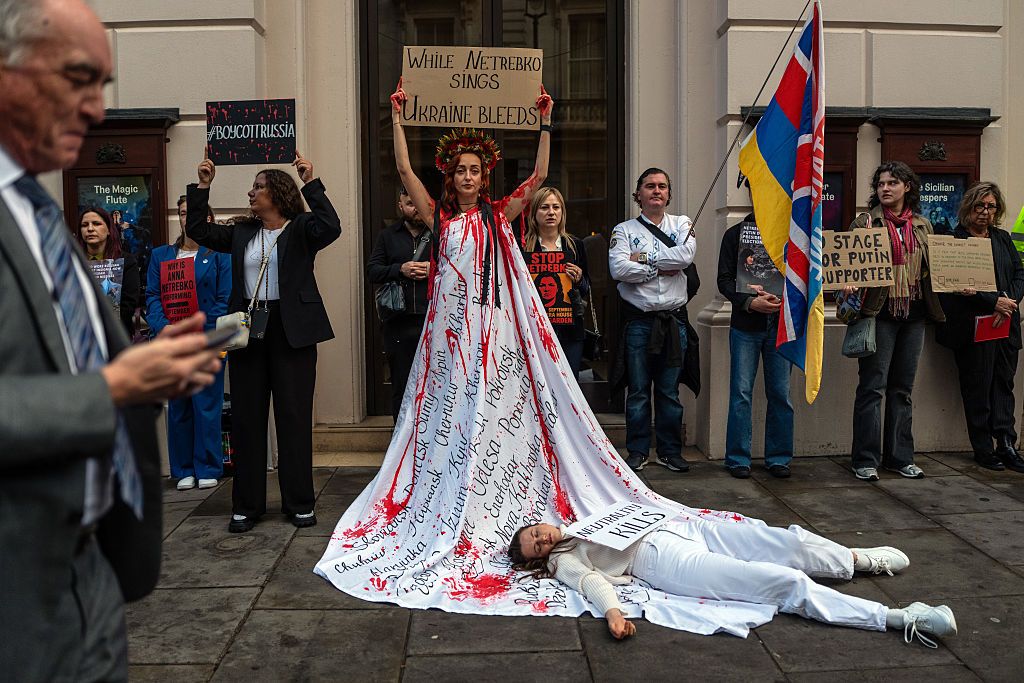
As Ukraine and Moldova take a significant step toward European Union membership on June 15, a planned performance by Russian opera star Anna Netrebko in Luxembourg next door highlights a contentious issue across Europe: the normalization of Russian cultural figures previously boycotted for their pro-Kremlin stances.
Ukraine's embassy to Belgium and Luxembourg voiced concern over Netrebko's concert, citing her long-standing public association with the Russian Federation's political and cultural establishment, including support for President Vladimir Putin and receipt of state awards. The embassy stated that continuing to collaborate with Russian artists amid the ongoing war is "deeply painful" for Ukrainians and urged Luxembourg to review the event's circumstances.
The Philharmonie Luxembourg, however, described itself as a "place of dialogue" and stated that Netrebko's selection does not constitute a political statement. They also pointed to her 2022 social media statements against Russia's invasion, though noted she did not explicitly condemn Putin and argued against demanding artists denounce their homeland.
Concurrently, EU foreign ministers are scheduled to discuss ways to increase pressure on Russia in the cultural sphere, including discouraging Russian participation in international events. A non-paper from Lithuania proposed EU countries adopt a more coordinated approach, potentially through national measures like visa cancellations or denial of overflight permits.
Netrebko has a history of pro-Kremlin statements and actions, including a significant donation to an opera house in Russian-occupied Donetsk in 2014, where she was photographed with a pro-Russian politician holding a flag of the Russian occupation authorities. Her past comments have included unambiguous support for Russia and criticism of international coverage of conflicts.
This situation mirrors a broader trend in the West, where Russian artists with pro-Kremlin views are increasingly being re-embraced. Examples include Russia's participation in the Venice Art Biennale and the allowance of Russian athletes to compete under their national flag in some international sports organizations. European Commission spokesperson Eva Hrncirova commented that while cultural decisions are national, they must not undermine the EU's response to Russian aggression, urging cultural organizations to support democratic values and reject the instrumentalization of culture by aggressor states.
Exiled Russian artist Katia Margolis criticized the normalization of such figures, stating it is unacceptable when culture is used to normalize or conceal violence, and that it is about refusing to legitimize public figures with a documented record of supporting an aggressive regime.