Key facts
- The EU adopted new sanctions against Russia targeting energy revenues, military-industrial complex, and propagandists.
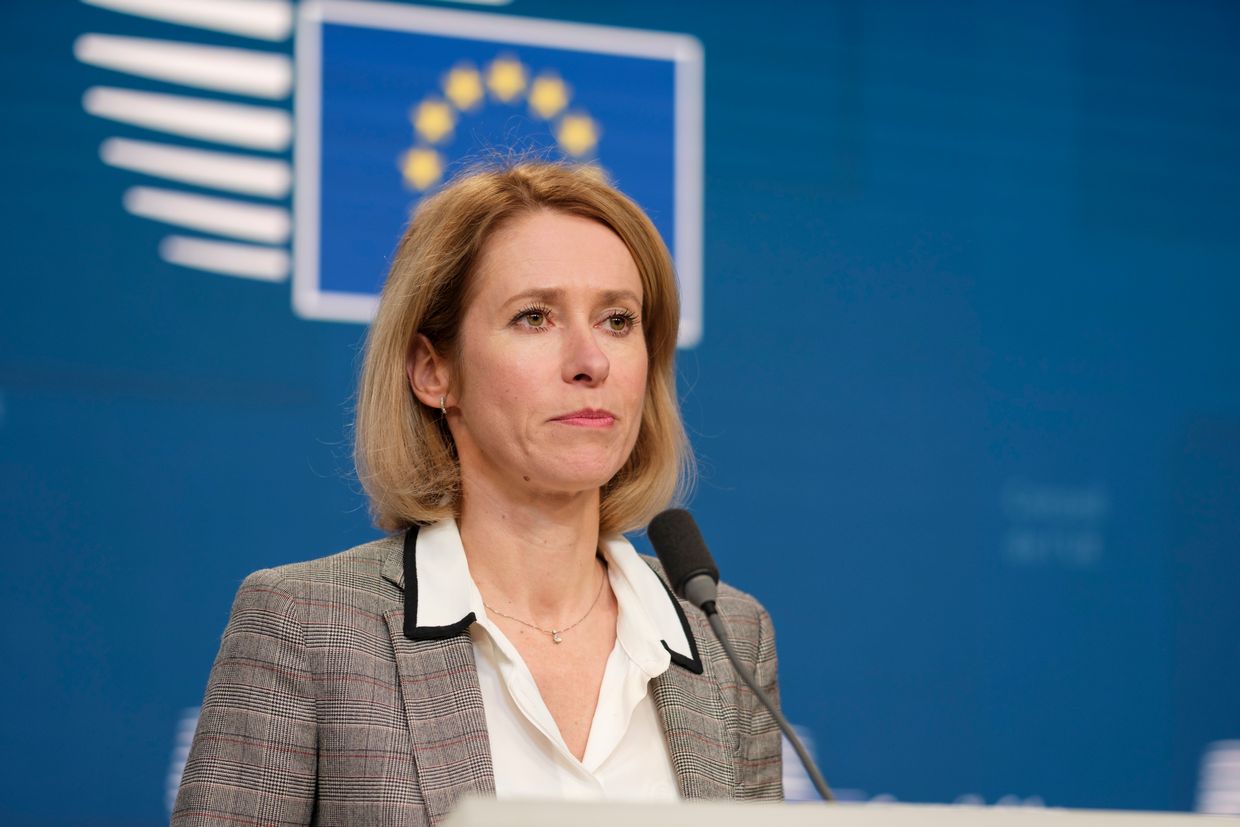
The European Union adopted new sanctions targeting Russia's energy revenues, military-industrial complex, and propagandists in response to attacks on Ukraine. EU's top diplomat Kaja Kallas stated that each measure further restricts Russia's room for manoeuvre.
The sanctions aim to degrade Russia's ability to finance its war in Ukraine and limit its capacity for further aggression, impacting its economy and international standing.
The European Union has implemented a new series of sanctions against Russia in response to its ongoing invasion of Ukraine and recent attacks, including a significant strike on Kyiv that targeted residential areas and a historic monastery. EU foreign policy chief Kaja Kallas announced the adoption of the package, which aims to curb Russia's energy revenues, target its military-industrial complex, and penalize propagandists.
The latest measures add 34 Russian individuals and 47 entities to the EU's sanctions list. Among those targeted are prominent Russian propagandists Alexandra Jost, known as "Sasha meets Russia" on X, and Maria Volkonskaya, editor-in-chief of the state-controlled Krymskaya Gazeta. The sanctions also address Russian shadow fleet activities and networks involved in hybrid attacks against Europe.
In parallel, the EU is developing its 21st sanctions package, which is expected to include significant measures such as freezing the current pricing mechanism for Russian energy imports until the end of 2026. This move is intended to prevent Russia from benefiting from potential price increases. Kallas stated that existing Western sanctions have already imposed an estimated cost of 1 to 1.3 trillion euros on Russia, asserting that these measures are progressively dismantling the foundations of Russia's war economy.
Pick the topics you care about. Get only what matters, on your cadence.