Key facts
- Ukraine's new law allows for the forced evacuation of children from front-line areas if parents refuse.
- Children can be reunited with parents within six months if they relocate to safer areas.
- Human rights groups and U.N. agencies criticize the law's coercive approach.
- Critics advocate for addressing the root causes of families' refusal to evacuate and for clearer safeguards.
- The law's implementation has been hampered by a lack of accompanying government decrees and systematic processes.
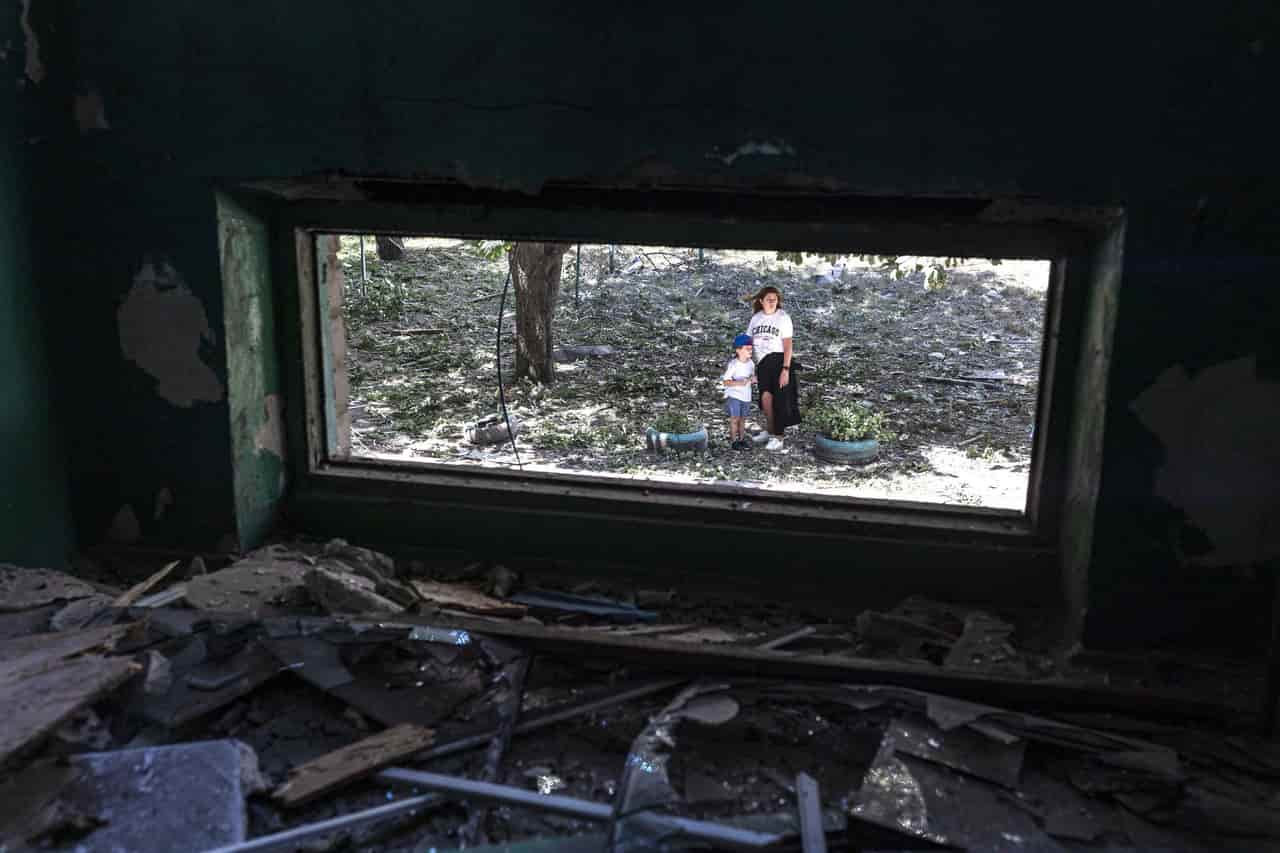
Ukraine has passed a new law that permits the state to forcibly evacuate children from front-line areas if their parents refuse to leave. This legislation, enacted in March, aims to protect children remaining in dangerous zones as Russian forces advance. Previously, mandatory evacuations could be announced, but they lacked firm legal obligation, and individuals could refuse by signing a waiver.
The new law allows for children to be forcibly evacuated without the parents losing their rights, with the possibility of reunification within six months if the family relocates to a safer area. However, the approach has drawn criticism from human rights groups and U.N. agencies, who argue that a coercive strategy may frighten families more than protect them. Critics also point to a lack of clarity on how forced evacuations should be conducted and call for systems that address the reasons families choose to stay, such as a lack of government support.
In the limited instances of forced evacuations under the new law, children were taken to healthcare facilities, with one later reunited with family and another placed in foster care. Human rights organizations like Crisis Insight have urged the president to veto the law, citing poorly defined evacuation methods and the risk of convoys being attacked. UNHCR has issued guidance against participating in evacuations lacking consent, and UNICEF has warned of increased pressure on an already overstretched care system.
Supporters of the law, such as People's Deputy Oleh Bondarenko, defend it as high-quality and legally sound, clarifying state authorities' tasks and powers. Aksana Filipishina, a human rights expert, stated that the state is obligated to act decisively, even with unpopular decisions. International humanitarian law also acknowledges the necessity of removing civilian populations from military objectives, even forcibly.
Despite the law's passage, its implementation has been complicated by the absence of an accompanying government decree and a lack of systematic evacuation processes. While forced separations have remained rare, the law's existence influences parental behavior, with some experts suggesting it acts as a tool to pressure parents into leaving rather than a clear legal framework.