Key facts
- Pavlohrad, Ukraine, previously a safe zone, is now experiencing increased Russian guided aerial bomb (KAB) attacks.
- KABs are difficult to intercept and can cause widespread destruction.
- A KAB strike on a food processing plant on July 23 resulted in three fatalities and 28 injuries.
- The increased attacks are impacting local businesses and residents' sense of security.
- The city hosts approximately 20,000 internally displaced persons.
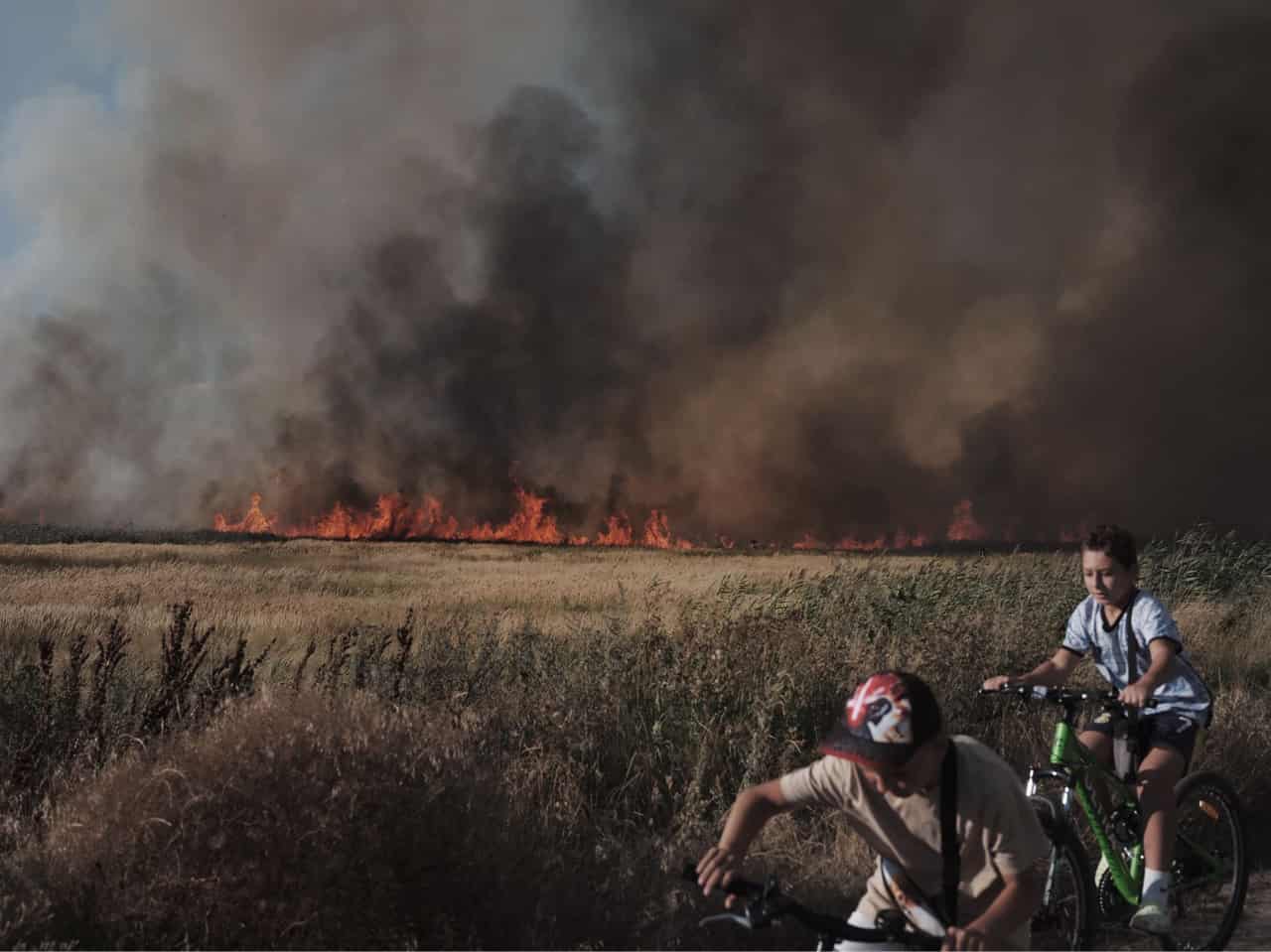
Pavlohrad, a city in Ukraine's Dnipropetrovsk Oblast, has transitioned from a relatively safe haven to a target of Russian guided aerial bombs (KABs). Located approximately 75 kilometers from the front lines, the city was a refuge for those fleeing conflict zones. However, the increasing range and deployment of KABs, which are cheaper to produce than missiles and carry substantial warheads, have heightened fears among residents.
These KABs, launched from aircraft within Russian or occupied territories, are described as almost impossible to shoot down. Yurii Ihnat, an Air Force spokesman, noted that Dnipropetrovsk Oblast faces the heaviest KAB attacks among front-line regions. On July 23, a daytime KAB attack on a food processing company in Pavlohrad resulted in three deaths and at least 28 injuries.
Local residents are experiencing the direct impact of these attacks. Serhiy Shapoval, a mechanic, expressed anxiety about the constant threat, noting that his workplace, a gas station, is a frequent target. The attacks have financially impacted his repair shop, as soldiers, his primary clients, are hesitant to use services near likely Russian targets. He is considering leaving the city if the situation deteriorates further.
Another resident, Kostiantyn, is contemplating evacuation due to the recent surge in drone and KAB activity, but high rental prices in other cities are a deterrent. He draws parallels between Pavlohrad's current situation and that of Pokrovsk, a city in Donetsk Oblast heavily damaged by Russian forces.
City authorities, while not implementing forced evacuations as Pavlohrad is not officially a front-line area, are advising residents that leaving is acceptable. Mykola Kashtalian of the Pavlohrad City Council highlighted the emotional exhaustion of the populace and the impact of Russian propaganda, which fuels rumors and a sense of panic. He noted periods of calm interspersed with intense drone and missile attacks, resulting in six civilian casualties in the past week.
Pavlohrad also serves as a significant hub for internally displaced persons (IDPs), hosting nearly 20,000 people who fled from front-line areas. Roman Buhayov of the East SOS charitable foundation described the city as a vital lifeline for evacuees from Dnipropetrovsk, Kharkiv, and Donetsk oblasts, though he noted challenges for IDPs and a perceived lack of official support.
Inna Dashevska, who relocated with her family from Myrnohrad, expressed fear of having to move again if the war intensifies. She noted the recent worsening of the safety situation and increased noise, though it remains better than her hometown. Her daughter, Kira, has learned to react to air raid alerts by seeking shelter.
For soldiers like Oleg Sidor, the city's character has changed, with daily KAB attacks becoming a new reality. The presence of numerous soldiers has made Pavlohrad a potential target, with Russian forces reportedly aiming for large buildings suspected of housing military personnel. Sidor recounted instances where soldiers received advance warnings and evacuated safe houses before they were hit.