Key facts
- Mayors can use revenue from a new "tourist tax" to increase borrowing for infrastructure and public assets.
- The tax, announced by the former Labour government, is an uncapped percentage of accommodation costs.
Andy Burnham has told business leaders that a new uncapped "tourist tax" can enable mayors to increase borrowing for infrastructure investment. However, hospitality groups are warning banks against lending against the tax due to concerns about future government policy changes.
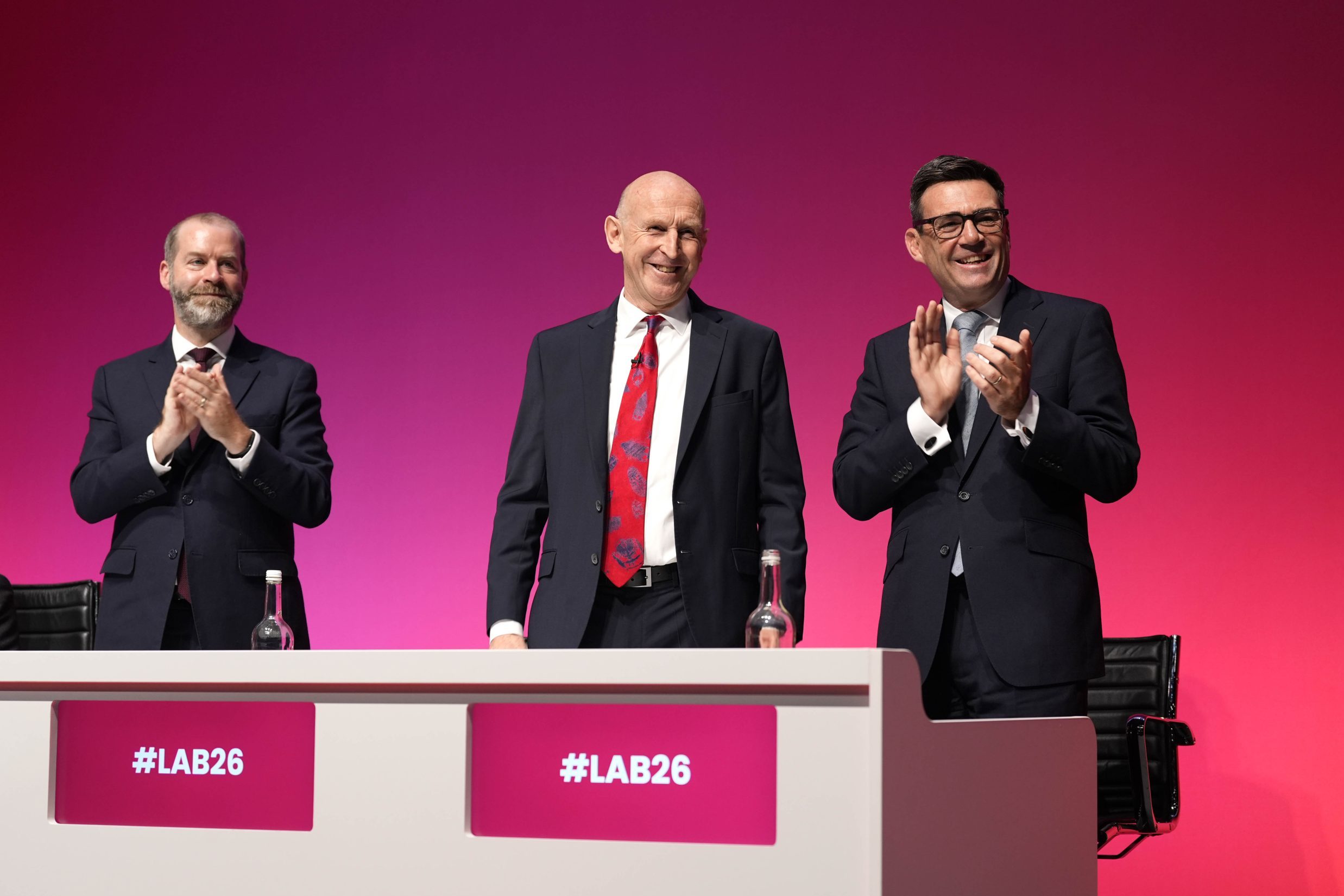
The debate over the tourist tax highlights tensions between local government funding ambitions and the hospitality industry's concerns about economic impact and policy stability, potentially affecting future infrastructure investment and tourism.
Andy Burnham has informed business leaders that a newly introduced, uncapped "tourist tax" could empower mayors to increase their borrowing capacity for investments in infrastructure and public assets. This strategy aims to alleviate concerns about the economic impact of the levy.
The overnight stay levy, announced as part of a devolution effort, is structured as a percentage of accommodation costs without an upper limit. This has drawn criticism from hoteliers who fear a significant tax burden on customers and a potential reduction in tourist numbers.
Sources indicate that hospitality bosses privately conveyed their concerns to ministers, warning of a damaging effect on the sector. However, top ministers, including Burnham and Business Secretary Jonathan Reynolds, are attempting to reframe the policy as a growth-boosting measure for local economies.
Business chiefs have expressed a lack of clarity on how the additional tax revenues would support increased borrowing. Howard Dawber, London's deputy mayor for business, suggested that leveraging future revenues could enable projects like the Bakerloo Line extension without central government funding, highlighting the need for "true devolution."
Conversely, hospitality leaders are preparing to caution banks against providing loans secured against the tourist tax. Allen Simpson, chief executive of UKHospitality, stated that lending against the tax would be a "bad credit decision" due to the risk of future governments abolishing it, potentially leading to defaults. A government spokesperson affirmed that the funds raised would be reinvested locally to benefit visitors, businesses, and residents.
Pick the topics you care about. Get only what matters, on your cadence.