Key facts
- The Bank of England has been given a new secondary objective by the UK government.
- The objective is to drive innovation in payment systems and new forms of digital currencies.
- This secondary objective will run alongside the Bank's primary goal of financial stability.
- The Treasury plans to enact these changes through amendments to the Financial Services and Markets Bill.
- The Bank of England will be required to report on its progress annually.
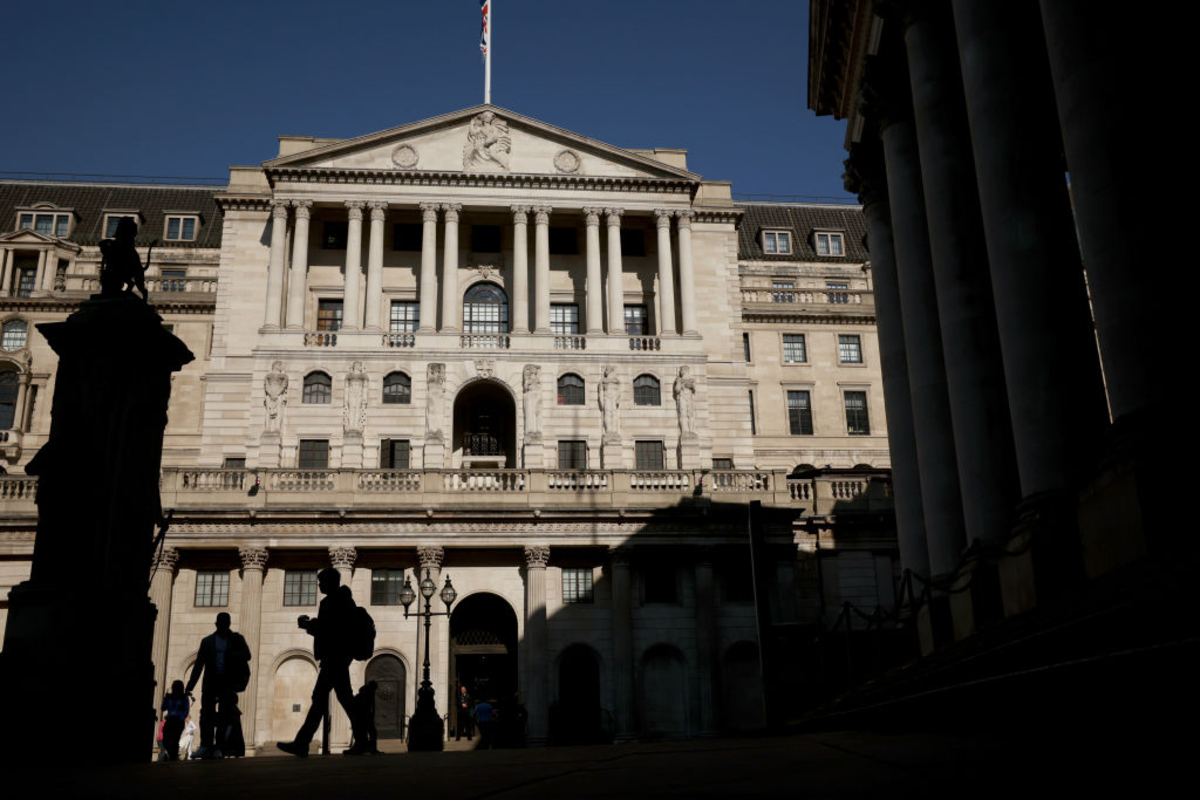
The UK government is introducing a new secondary objective for the Bank of England, tasking it with fostering innovation in payment systems and the development of digital currencies. This initiative, set to be implemented through amendments to the Financial Services and Markets Bill, aims to bolster the UK's position as a global leader in financial services.
City Minister Lucy Rigby stated that while financial stability remains the Bank's paramount concern, the new objective will encourage advancements in digital finance. This move aligns with the Labour party's commitment to overhauling the payments sector with updated regulations, a vision previously articulated by former Chancellor Rachel Reeves through her National Payments Vision.
However, progress in reforming the payments sector has faced criticism for being incremental rather than transformative. The Payments Association, an industry body, had previously voiced concerns regarding the relationship between the Financial Conduct Authority (FCA) and the Bank of England, advocating for the Bank to have veto power over the City watchdog. Last March, Labour announced plans to abolish the Payment Systems Regulator (PSR) and integrate it into the FCA to spur growth. David Geale, managing director at the PSR, indicated that this consolidation is unlikely to be fully realized before the first quarter of 2027, though some efficiencies have already been achieved through natural attrition of senior staff. At a recent summit, industry figures acknowledged regulatory progress but expressed anticipation for further concrete developments.
