Key facts
- British Steel is on track to be fully nationalised within weeks.
- The government took over the daily running of British Steel in April 2025.
- British Steel employs 3,500 people at its Scunthorpe plant.
- The company is still economically controlled by its Chinese owner, Jingye.
- The government has been unable to reach an agreement with Jingye for a commercial sale.
- New legislation is planned to enable public ownership, subject to a public interest test.
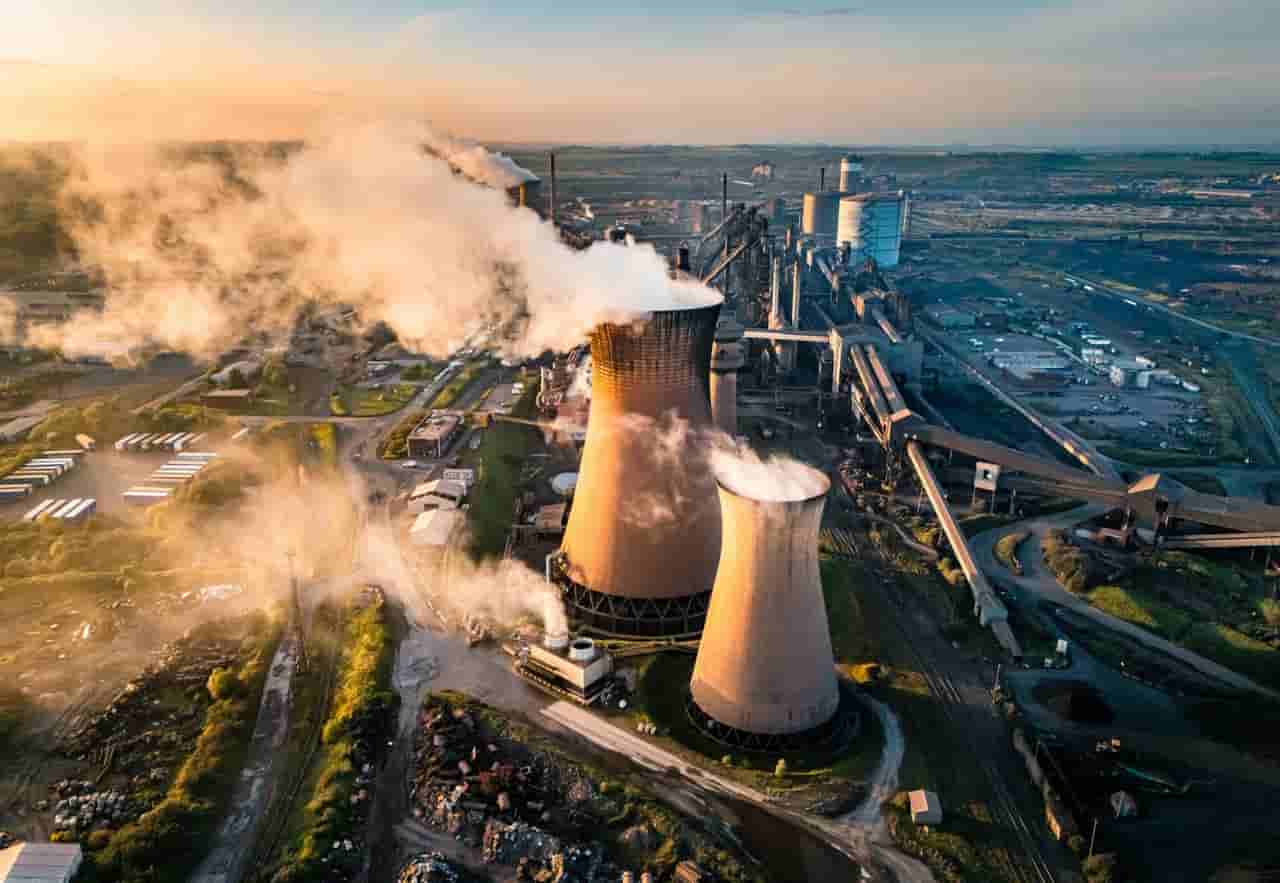
The UK government is poised to fully nationalise British Steel within weeks, a year after it first took over the daily running of the loss-making business. Ministers are preparing to introduce new legislation that could allow the company to return to public ownership for the first time since its privatisation in 1988, as part of plans to strengthen the UK’s industrial resilience and national security.
The move follows a period of uncertainty surrounding the future of British Steel, which employs 3,500 people at its Scunthorpe plant. The government intervened in April 2025 under the Steel Industry (Special Measures) Act to prevent the closure of its blast furnaces, safeguarding jobs and ensuring continuity of supply. Since then, ministers have been in discussions with the current owner, China-based Jingye, but have been unable to reach an agreement for a commercial sale.
Officials have reportedly offered £100 million to Jingye, which originally demanded over £1 billion. The government could also set Jingye a deadline for a deal. The proposed legislation, to be outlined in the King's Speech, would grant powers to intervene and potentially nationalise British Steel, subject to a public interest test considering national security, critical infrastructure protection, economic stability, and supply chain resilience.
Gareth Stace, director general of UK Steel, said the sector would "strongly welcome" the nationalisation, providing "vital certainty for the workforce, the company’s customers and the wider supply chain." He added that maintaining domestic production capability is essential for economic growth, national security, and resilience.
British Steel operates the UK's last two remaining blast furnaces, which allow steel to be made from scratch. Shutting the plant would end Britain’s primary steel-making ability. However, the cost of keeping the plant running had ballooned to £377 million by the end of January, with potential costs exceeding £1.5 billion by 2028 if it continues at its current rate, according to the National Audit Office. Officials are keen to resolve the ownership issue to enable a potential sale to another private investor.
Potential buyers, including Miami-based retail investor Michael Flacks, have expressed interest. The company has a history of financial difficulties, having collapsed into insolvency in 2019 under its previous owner, Greybull Capital, before being acquired by Jingye in 2020. British Steel remains an important employer and supports tens of thousands of jobs in the extended steel supply chain, with Network Rail sourcing about 95% of its track from the plant.