Key facts
- UK finance minister John Healey will attend the IMF annual meetings in Bangkok.
British finance minister John Healey will call for major economies to control borrowing at the International Monetary Fund's annual meetings in Bangkok. He will also emphasize budget discipline and resilience to geopolitical shocks, echoing concerns raised by the IMF and the Bank of England.
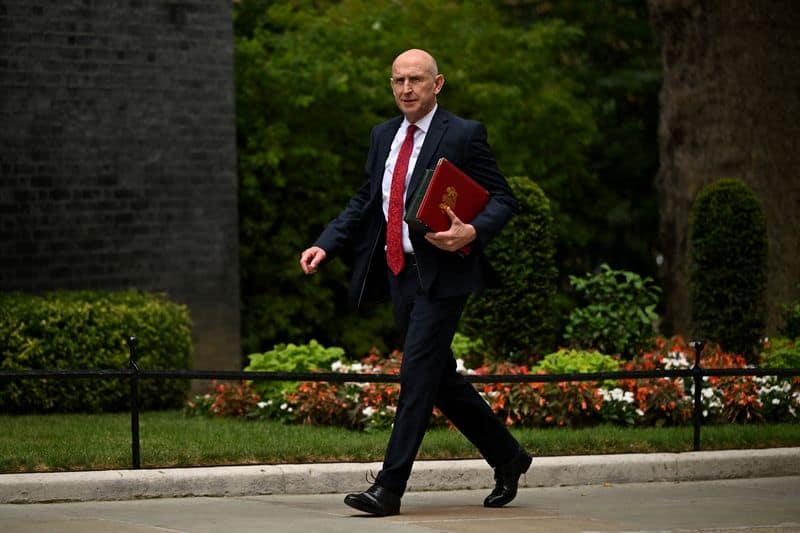
Global finance leaders are converging amid heightened geopolitical tensions and persistent inflation, with a focus on fiscal sustainability. Healey's push for borrowing control underscores concerns about sovereign debt levels and their potential impact on global economic stability and interest rates.
British finance minister John Healey will use his first trip to the International Monetary Fund's annual meetings in Bangkok this week to advocate for major economies to bring their borrowing under control. Healey will stress the importance of budget discipline and enhancing resilience to geopolitical shocks, aligning with recent calls from IMF Managing Director Kristalina Georgieva and Bank of England Governor Andrew Bailey.
The IMF and World Bank are holding their annual meetings in Bangkok, where global finance ministers and central bank chiefs will convene to discuss the escalating conflict in the Middle East and its potential impact on energy prices and inflation. Healey is scheduled to meet with his Ukrainian counterpart, Sergii Marchenko, among other officials, to discuss resilience.
Last week, government borrowing costs in major economies reached their highest levels in decades, fueled by investor concerns over inflation stemming from the US-Iran war, substantial government debt, and the necessity for higher interest rates. Healey reiterated his commitment to delivering "fiscal discipline" in his first annual budget on October 28. He faces the challenge of lowering borrowing amidst rising debt interest costs and increased demands for defense and energy spending. The UK's Institute for Fiscal Studies estimates that Healey may need to implement tax increases totaling £36 billion, equivalent to a 3 percentage point rise in the main income tax rate, to offset budget erosion from inflation and fund additional defense expenditures.
Pick the topics you care about. Get only what matters, on your cadence.