Key facts
- Hong Kong will host the Apec finance ministers’ meeting from October 19-21.
- The meeting's four key priorities are fiscal policy supporting livelihoods, digital infrastructure financing, inclusive finance, and young financial talent.
- Financial Secretary Paul Chan Mo-po stated these are areas of strength for Hong Kong.
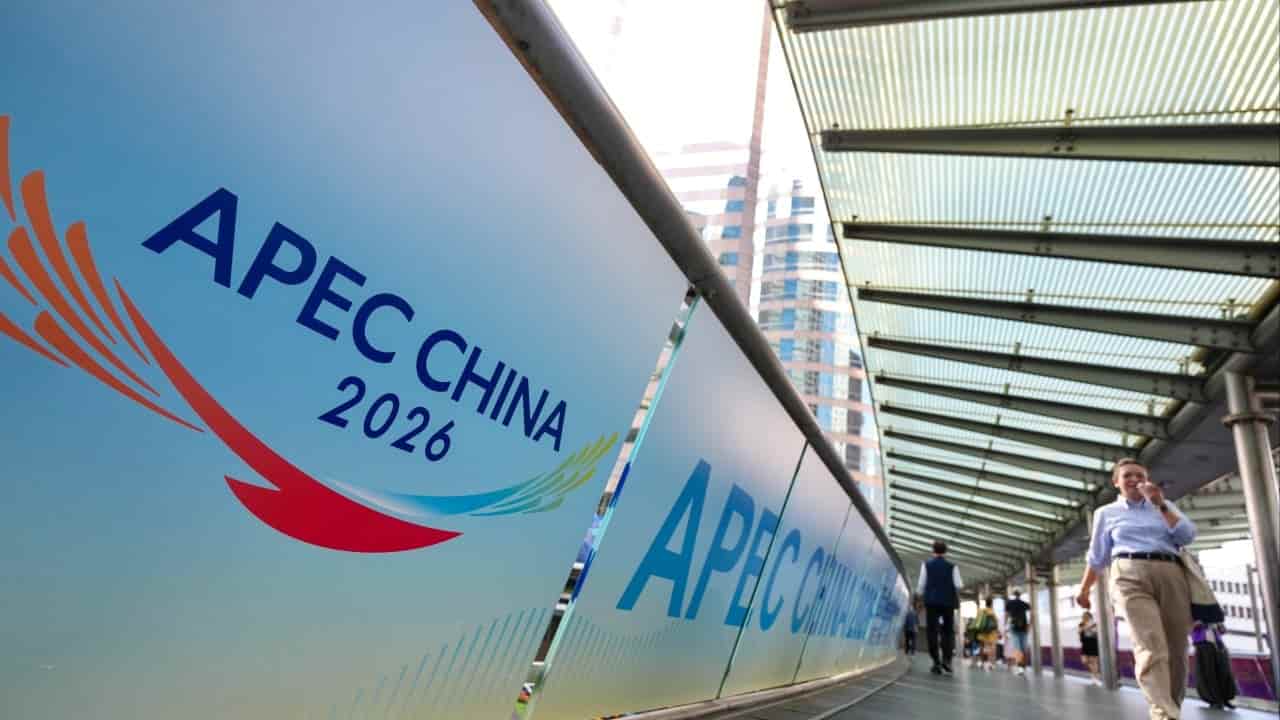
- The meeting is part of China's third turn as APEC host, with a theme of 'Building an Asia-Pacific Community to Prosper Together'.
- Hong Kong's stock exchange saw 85 new listings in the first half of the year, raising HK$209.9 billion ($26.77 billion).
Hong Kong is set to host the Asia-Pacific Economic Cooperation (APEC) Finance Ministers’ Meeting from October 19-21, with a focus on four key priorities: fiscal policies that support livelihoods, digital infrastructure financing, inclusive finance, and the development of young financial talent. Financial Secretary Paul Chan Mo-po highlighted these areas as strengths where Hong Kong can make significant contributions.
The meeting is part of China's broader hosting of APEC events throughout the year, under the theme 'Building an Asia-Pacific Community to Prosper Together.' Hong Kong's role as the financial center of this initiative is seen as strategic. The finance track this year carries consequential business, with the priorities forming the operational content of the Incheon Plan, a five-year framework for regional financial cooperation through 2030.
Hong Kong's financial prowess is underscored by its stock exchange's performance, which saw HK$209.9 billion ($26.77 billion) raised from 85 new listings in the first half of the year, a 92 percent increase and the strongest performance in five years, ranking second globally. The average daily turnover also climbed 18 percent. The city has also been active in issuing green and sustainable bonds, including tokenized and digital issuances. Chief Executive John Lee Ka-chiu emphasized the importance of the meeting for Hong Kong's future, encouraging the city to move beyond being a mere convener to actively shaping the regional agenda.