UK Chancellor John Healey may accept smaller fiscal buffer to cut tax hikes
IN SHORT
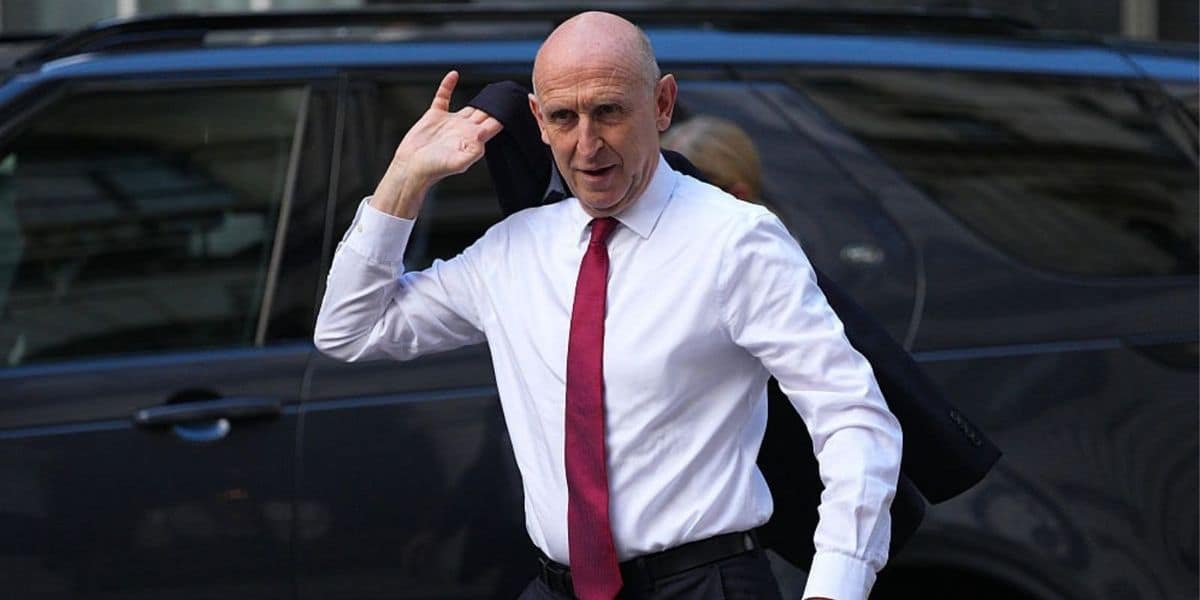
UK Chancellor John Healey is reportedly considering a reduced fiscal buffer for his upcoming Autumn Budget to mitigate tax increases. Higher borrowing costs and weaker economic growth have significantly eroded the government's financial headroom, putting pressure on Healey to balance fiscal rules with public spending and tax policies.
Key Numbers
£12 billionprojected UK fiscal headroom by autumn
£23.6 billionUK fiscal headroom at spring forecast
£9 billionerosion in fiscal headroom
4%projected Bank of England interest rate in November
3.1%UK inflation in August
1.3%UK economic growth forecast for 2026
Who's Involved
John Healey
UK Chancellor considering reduced fiscal buffer for Autumn Budget
KPMG
consultancy that warned of slashed fiscal headroom
↳ Why This Matters
The UK government faces a difficult balancing act in its upcoming Autumn Budget, with reduced fiscal headroom limiting its ability to stimulate growth or address the cost of living without resorting to tax increases or spending cuts.