Key facts
- The UK has banned all trade with Israeli settlements in the occupied Palestinian territories.
- The ban covers imports of all goods from settlements and bars companies from providing services for them.
The UK has banned trade with Israeli settlements in occupied Palestinian territories, aligning with international law and UN resolutions. The move, welcomed by the Palestinian Authority as a turning point, has drawn criticism from Israel and the UK's chief rabbi.
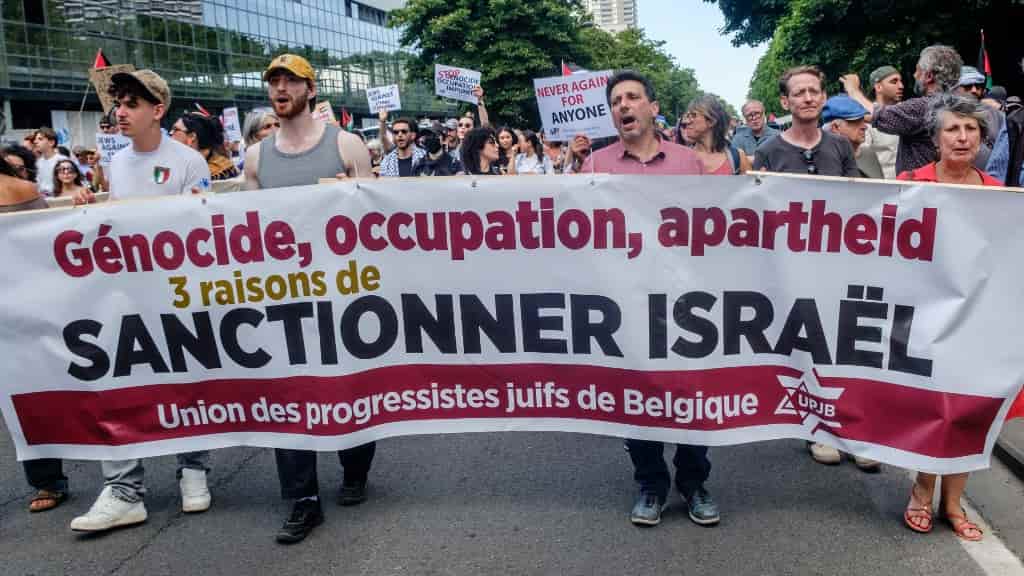
The UK's ban on trade with Israeli settlements signals a significant shift in its policy towards the Israeli-Palestinian conflict, potentially influencing other Western nations and impacting the economic viability of settlements. It also highlights the ongoing international legal and political pressure on Israel regarding its occupation.
The British government has announced a ban on trade with Israeli settlements in the occupied Palestinian territories, a move that aligns with international law and UN resolutions. The decision, which will take effect in up to nine months, covers imports of all goods from settlements and prohibits companies from providing services such as financing and construction for them.
The Palestinian Authority's Embassy in London welcomed the announcement, calling it a significant action that affirms the illegality of Israel's occupation and implements international legal consensus, including the International Court of Justice's advisory opinion. PA Ambassador to the UK Husam Zomlot praised the UK's "leadership" and described the decision as a "turning point" in UK-Palestine relations, following the UK's recognition of a Palestinian state in September 2025.
Israel responded to the ban by closing the British consulate in east Jerusalem and barring 11 British lawmakers from entering the country. Israeli Foreign Minister Gideon Saar condemned the move as "despicable." The UK's tougher stance has prompted France and Canada's leaders to state they would take similar actions to prevent expanding settlements and growing violence from undermining the possibility of a future Palestinian state. Denmark, Finland, Iceland, Poland, Portugal, and Sweden have also pledged to support further action, while the Netherlands, Ireland, Belgium, Spain, and Norway are either banning or in the process of banning goods from settlements.
British Foreign Secretary Ed Miliband defended the decision, stating it was the "right thing to do" and that the UK government is committed to tackling antisemitism while upholding British values. He also tightened Britain's embargo on weapons sales to Israel to include arms that "materially contribute to the occupation" of Palestinian territories. The UK's chief rabbi, Ephraim Mirvis, criticized the government's move as "gesture politics" that would bolster extremism, a view Miliband acknowledged but disagreed with.