Key facts
- The UAE's ADNOC continues to export liquefied natural gas despite threats in the Strait of Hormuz.
- An ADNOC LNG tanker was observed exiting the Strait of Hormuz with its location devices deactivated.
- ADNOC is actively loading another LNG carrier at its Das Island facility.
- QatarEnergy successfully sent an LNG cargo via the Strait of Hormuz, three weeks after one of its LNG carriers was struck.
- The Qatari LNG tanker is bound for Pakistan, a major buyer of Qatari liquefied gas.
- LNG importers are seeking lower prices due to increased geopolitical risk and higher insurance costs in the Persian Gulf.
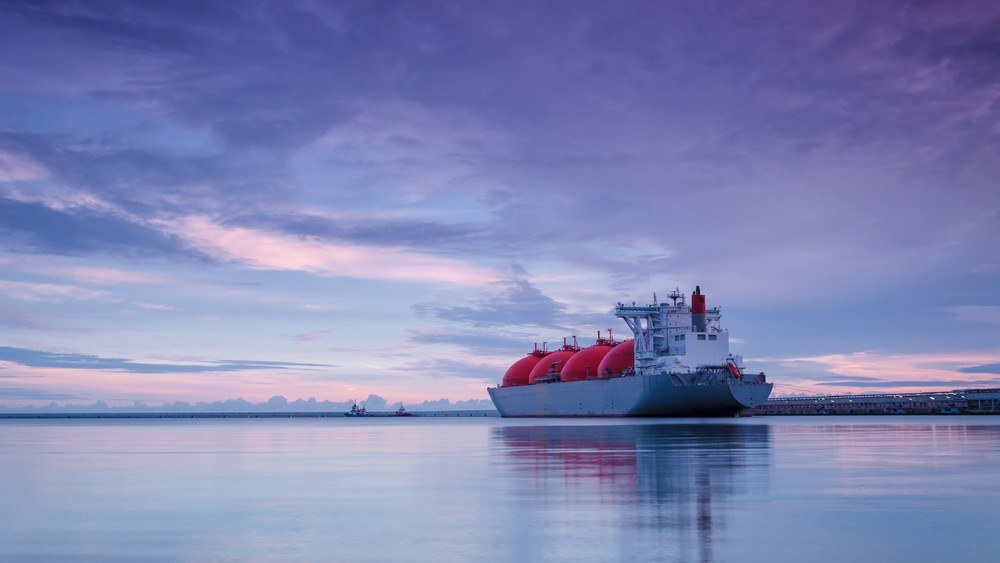
The United Arab Emirates is maintaining its liquefied natural gas exports despite heightened risks in the Strait of Hormuz, a critical chokepoint for global energy shipments. An ADNOC LNG tanker was reportedly seen exiting the Persian Gulf with its location devices turned off to avoid detection, signaling the ongoing challenges faced by energy exporters in the region.
This development follows an incident earlier this month where Iranian forces reportedly attacked a Qatari LNG carrier, which has increased caution among energy shippers. ADNOC is also actively loading another LNG carrier at its Das Island facility, underscoring the continued demand for the commodity.
ADNOC has been significantly expanding its presence in the liquefied gas market, stepping in to increase exports as Qatar faced force majeure declarations. The company's commitment to growth is further evidenced by a $900 million order for four new LNG carriers and eight additional vessels currently under construction, with deliveries starting in 2028.
QatarEnergy has also successfully sent an LNG cargo via the Strait of Hormuz, three weeks after one of its LNG carriers was struck in the waterway. The vessel had idled in the strait since early July but crossed it with its geolocation devices turned on, bound for Pakistan. QatarEnergy declared force majeure in March due to damage to its Ras Laffan LNG complex, which is expected to cost $20 billion annually in lost revenue and take up to five years to repair.
Despite these efforts, LNG importers are attempting to negotiate lower prices, arguing that the increased geopolitical risk in the Persian Gulf should be reflected in insurance costs and, consequently, the price of gas.