Trump-Xi summit yields pageantry, modest trade wins
IN SHORT
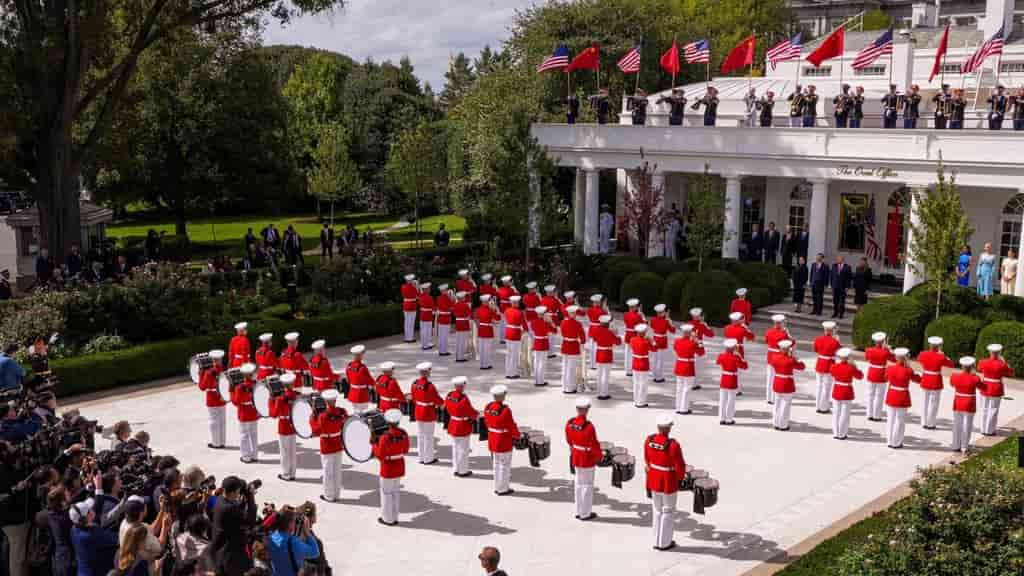
President Donald Trump hosted Chinese President Xi Jinping for a state visit from September 23-25, 2026, marked by lavish pageantry and a warm personal rapport. The summit resulted in modest progress, including agreements to establish a "Board of Trade" and a "Board of Investment" to oversee bilateral purchases and manage trade differences.
Key Numbers
200Boeing jets China committed to purchasing
750Potential Boeing jets purchase
30Billion dollars in goods identified for facilitation
Who's Involved
Donald Trump
US President who hosted Xi Jinping
Xi Jinping
Chinese President who visited Washington
Scott Bessent
US Treasury Secretary who pushed for new boards
Jamieson Greer
US Trade Representative who pushed for new boards
↳ Why This Matters
The summit between the US and China, the world's two largest economies, is significant for global markets as it aims to manage strategic rivalry and maintain stable economic ties. The establishment of new trade and investment boards and the commitment to purchase Boeing jets could impact bilateral trade flows and corporate revenues.