Key facts
- President Donald Trump announced he would report NBC's Kristen Welker to the FCC.
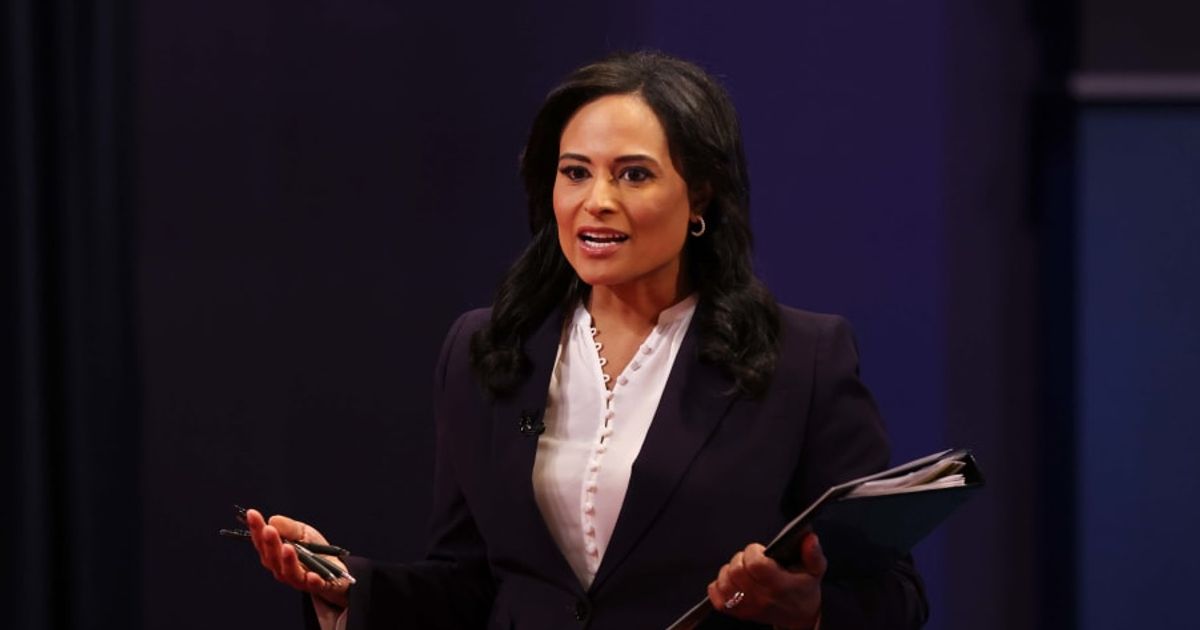
President Donald Trump announced on Truth Social that NBC's Kristen Welker will be reported to the FCC for "rebuke or punishment" after he claimed she misrepresented his candidate endorsements. This follows a tense interview where Welker pressed Trump on election integrity claims.

The President's threat to report a journalist to the FCC highlights ongoing tensions between the Trump administration and news media, raising questions about press freedom and the regulation of broadcast journalism.
President Donald Trump announced on Truth Social that he intends to report NBC's Kristen Welker to the Federal Communications Commission (FCC) for "rebuke or punishment." Trump stated this action was prompted by his assertion that Welker had misrepresented his endorsements of candidates, reporting mixed results.
The confrontation stems from a recent interview where Welker repeatedly questioned Trump about his claims concerning election fraud and issues related to January 6th. Clips of this interview circulated widely on social media, leading to calls from some Trump supporters for Welker's dismissal, accusing her of being a "fake news" reporter. However, fact-checking efforts found no evidence that NBC plans to fire Welker.
In parallel, Trump also criticized ABC and NBC more broadly, labeling them "fake news" and suggesting he would favor revoking their broadcast licenses due to alleged biased coverage. He claimed these networks provided negative coverage on 97% of stories concerning him, though he did not cite a source for this figure. A study by the Media Research Center indicated 92% negative coverage during Trump's first 100 days. It was noted that national networks like ABC and NBC do not directly hold FCC licenses; rather, their programming is broadcast through local affiliates that are regulated by the FCC. Legal precedent suggests that attempts to revoke licenses based on perceived news bias would face significant constitutional challenges under the First Amendment.